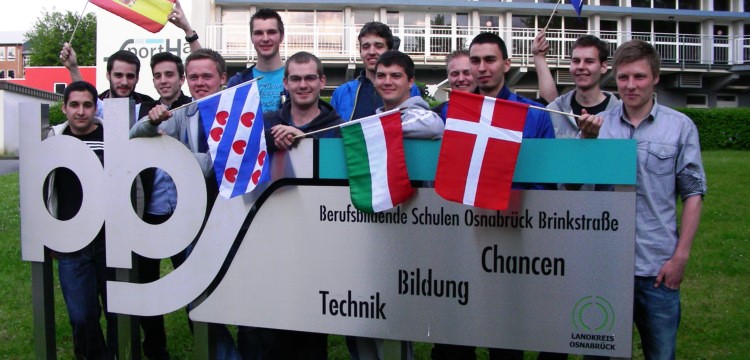
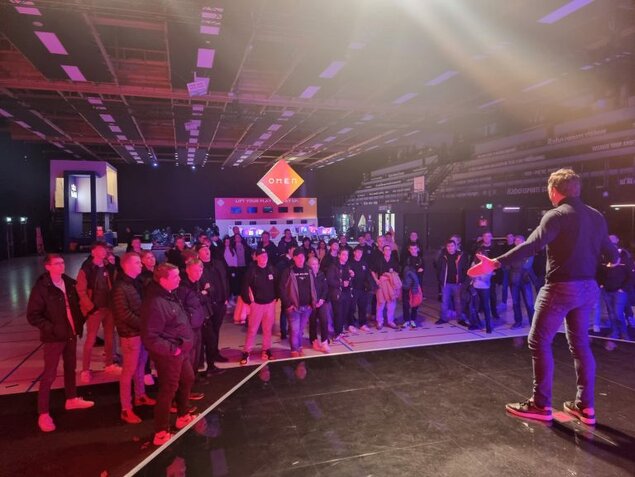
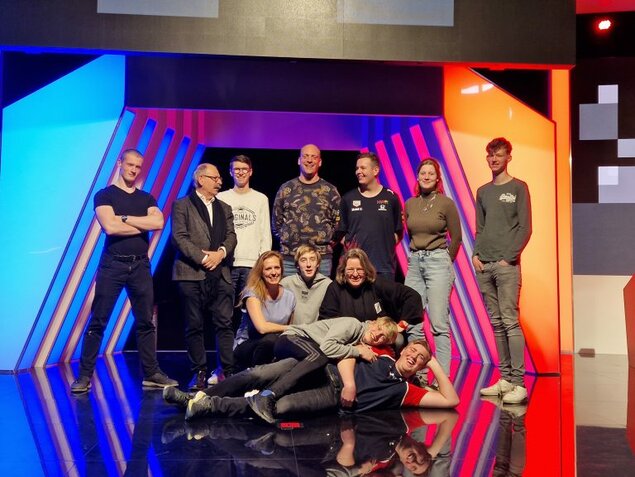
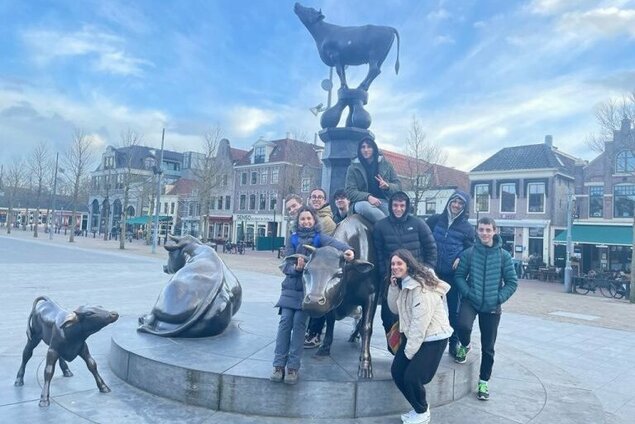
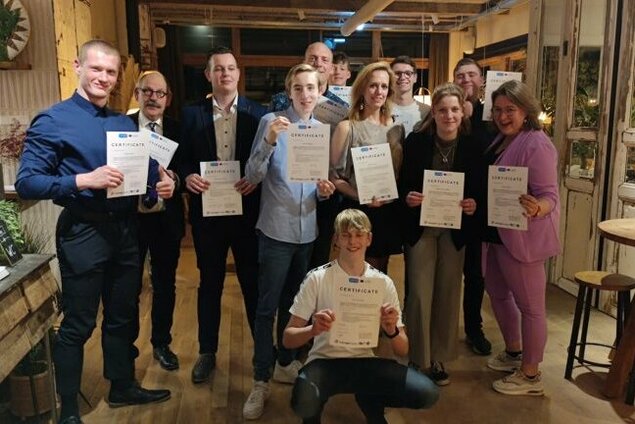
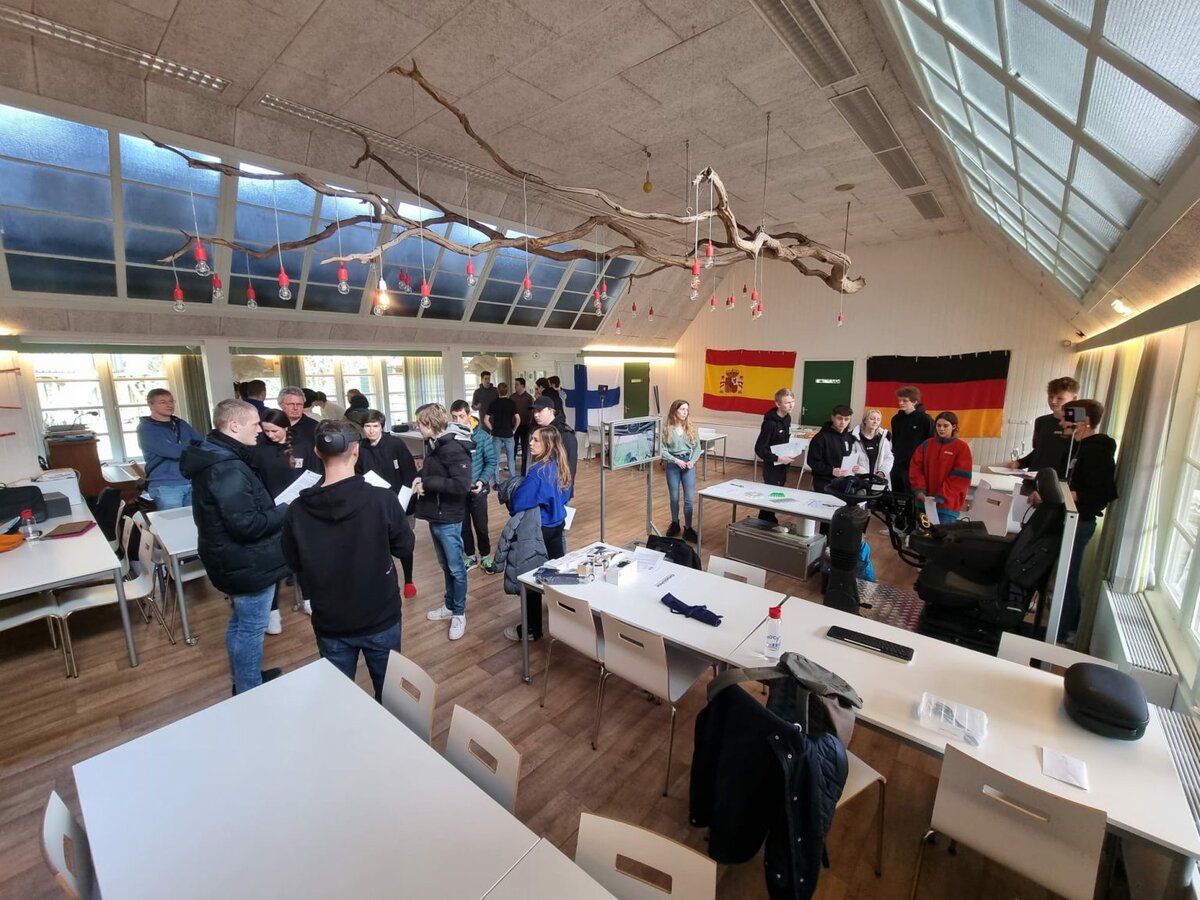
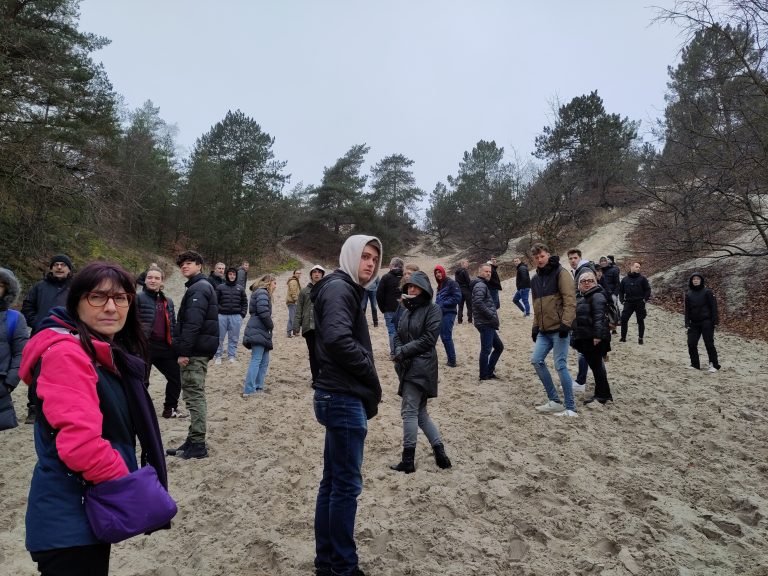
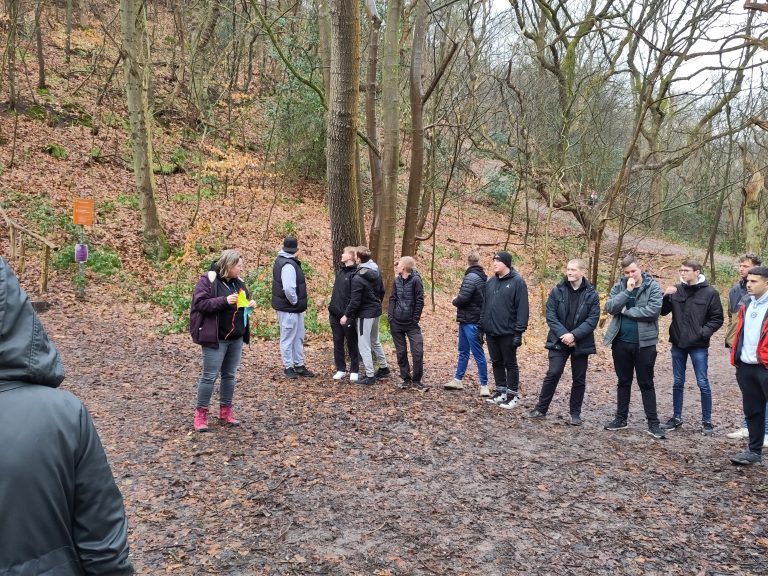
Wir vermitteln als Europaschule in Niedersachsen Betriebspraktika und andere Austausche und führen Projekte mit unseren internationalen Partnern durch. Die Schule gehört dem Netzwerk MoreOS an, ist akkreditiert als Erasmus+Schule und besitzt das Excellence-Label.
Wer kann teilnehmen?
Teilnehmen können Schüler*innen oder Auszubildende die an der BBS Brinkstraße unterrichtet werden. Es ist aber auch eine Teilnahme möglich, wenn die Ausbildung innerhalb der letzten 12 Monate vor Beginn des Auslandspraktikums beendet wurde.
Wie lange dauert ein Auslandspraktikum?
Die meisten Teilnehmer*innen bewerben sich für 6 Wochen. Es sind aber auch Auslandspraktika bis zu 12 Monaten möglich.
Was ist MoreOS? Mobilitätsregion Osnabrück - 7 Berufsschulzentren aus Stadt und Landkreis OS arbeiten in Sachen Europa zusammen.
Dort müssen Sie erste Eintragungen vornehmen und sich mit Ihren hochzuladenden PDF-Dateien bewerben: - Europass-Lebenslauf (CV) zum Hochladen (nur PDF erlaubt)* - Unterschriebene Teilnahmeerklärung zum Hochladen (nur PDF erlaubt)* - Motivationsschreiben zum Hochladen (nur PDF erlaubt)* - Datenschutzerklärung zum Hochladen (nur PDF erlaubt)*
Viele Daten, aber notwendig.
Wir werden uns spätestens im Februar mit weiteren Infos bei Ihnen melden. Der Prozess ist wie folgt:
Bewerbungen gehen bis 6.12.25 ein.
Bewerbungen werden ab 9.12.25 ins Ausland gesendet.
Mit einer ersten Rückmeldung ist ab Februar zu rechnen! Bisher haben wir immer Zusagen erhalten. ;-)
Flüge und Unterkunft werden dann durch Schüler*innen (-gruppen) gebucht.
Praktikumsbeginn im April 2026 (Zeitraum 6 Wochen wird noch mitgeteilt, aber wahrscheinlich nach den Osterferien!). Sollte es für Sie aus Prüfungsgründen (etwa Teil1-Prüfung) im April noch nicht möglich sein ins Ausland zu gehen, melden Sie sich bitte bei uns.
Entsendetermin/Vorbereitung (Vertragsunterzeichnung, etc.) vor den Osterferien 2026
Auszahlung des Förderbeitrags am Reisetag
Praktikumsziele im Ausland
Praktikumsziele im Ausland
Viel mehr ist möglich, weltweit! Du kannst auch selbst einen Praktikumsplatz vorschlagen.
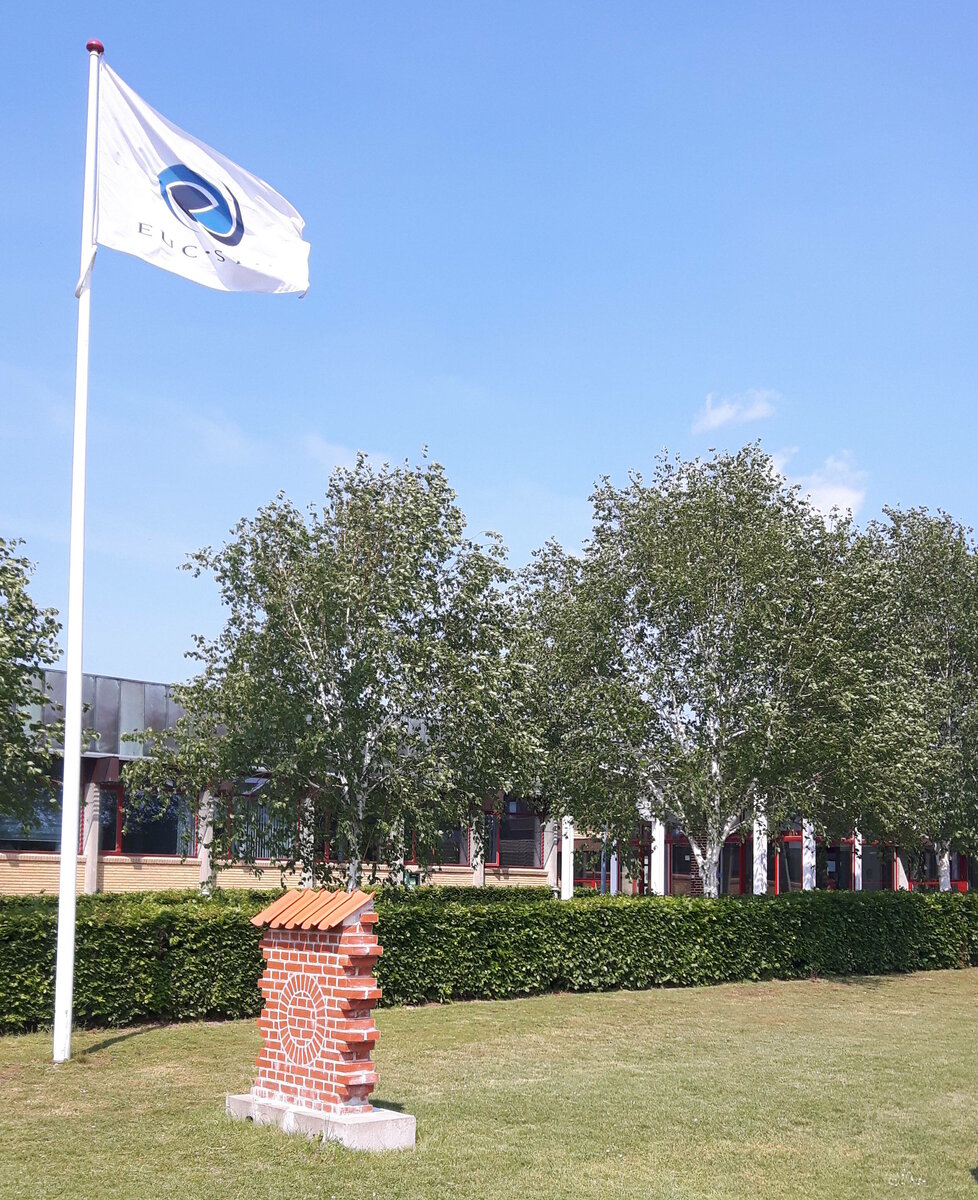
Informationen zum EUC SYD in Dänemark - Sønderborg
Bereits seit dem Jahr 1999 arbeiten die BBS Brinkstraße, die Ausbildungsabteilungen der Georgsmarienhütte GmbH, der Volkswagen Osnabrück GmbH und die Firma Elster eng zusammen mit der dänischen Berufsschule EUC-SYD in Sønderborg und der Firma Danfoss in Nordborg, Dänemark. Austausche erfolgten zunächst im Rahmen des Austauschprogramms Leonardo da Vinci, später über Erasmus+.
Seit vielen Jahren besuchen sich Lehrkräfte und Ausbildende gegenseitig und Auszubildende absolvieren Betriebspraktika. Mittlerweile sind deutlich mehr Firmen beteiligt. Insbesondere aus den Bereichen Metall, Elektronik und Mechatronik können sich Auszubildende jederzeit bewerben.
Auch an der Berufsschule selbst sind Praktika möglich. Im Herbst 2019 absolvierte ein Auszubildender zum Fachinformatiker der Fachrichtung Systemintegration ein sechswöchiges Praktikum. Neben kleineren Projekten führte er dort auch Arbeiten im Kundenauftrag durch. Im Frühjahr 2020 ermöglichte die Schule einem Auszubildenden Elektroniker für Geräte und Systeme einen zweiwöchigen Aufenthalt, bei dem er ein eigenes Projekt durchführen und neue berufsfachliche Kompetenzen erwerben konnte.
In Sønderborg können Auszubildende in der Regel kostengünstig im Wohnheim der Schule wohnen, wo sie Vollverpflegung genießen und Kontakte zu dänischen Auszubildenden knüpfen können.
Regelmäßig kommen auch Auszubildende und Ausbildende der Firma Danfoss und des EUC Syd nach Osnabrück. Zuletzt absolvierten im Herbst 2019 zwei dänische Auszubildende sechswöchige Praktika bei den Firmen KME und Volkswagen.
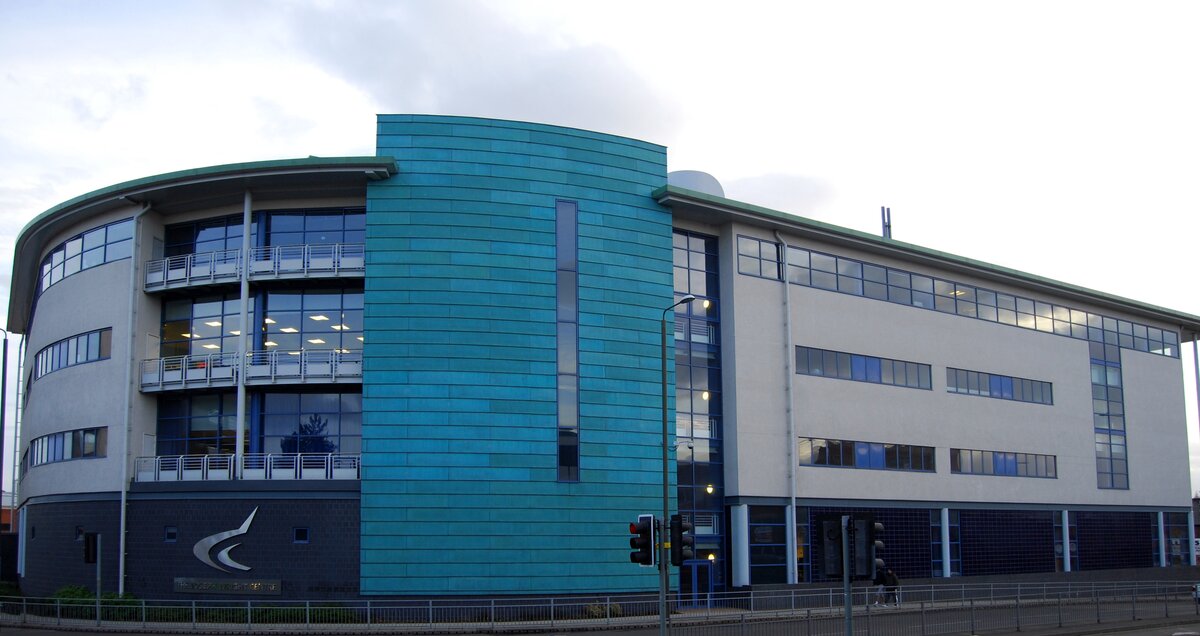
England - Derby College/Vision West Nottinghamshire College - Derby/Mansfield
Informationen zum Derby College/Vision West Nottinghamshire College - Derby/Mansfield
Kontakte in die Osnabrücker Partnerstadt Derby, genauer gesagt zum Derby College, hat die BBS Brinkstr. seit 2013. Seitdem erfolgen auch entsprechende Austausche. Viele Auszubildende der Bereiche Elektronik, Mechatronik, Metall, Informatik und Produktdesign haben bisher sechswöchige Betriebspraktika in Derby absolviert.
2016 kam mit dem Vision West Nottinghamshire College in Mansfield ein weiterer Partner hinzu. Auszubildende der Mechatronik, Elektronik, Informatik, der Systemplanung und des Produktdesigns haben bereits dort Praktika absolviert.
Mehrfach wurden Projekte mit Klassen aus Derby bzw. Mansfield in Osnabrück durchgeführt, wodurch es zu wertvollen Begegnungen mit Auszubildenden der BBS kam. Im Gegenzug hat die BBS Brinkstraße bereits mehrfach Vollzeitschüler der Fachschule Maschinen- bzw. Elektrotechnik für zweiwöchige Austausche nach Derby bzw. Mansfield entsandt.
Selbstverständlich gab und gibt es auch gegenseitige Besuche durch Lehrkräfte. Neben mehreren Praktikantenbesuchen, der Vorbereitung und Begleitung von Projekten war eine Lehrerin im Frühjahr 2018 für zwei Monate zum Jobshadowing in Mansfield.
Estland, das nördlichste Land des Baltikums ist vielen Deutschen heute eher unbekannt. Dabei hatten Deutsche im Zuge des Deutschen Ordens 700 Jahre lang großen Einfluss auf das kleine Land. Bis weit ins 19. Jahrhundert hinein war Deutsch sogar Unterrichts- und Behördensprache. Viele Einflüsse sind noch heute spürbar, nicht zuletzt in der estnischen Küche, die der traditionellen deutschen Hausmannskost sehr nahe kommt.
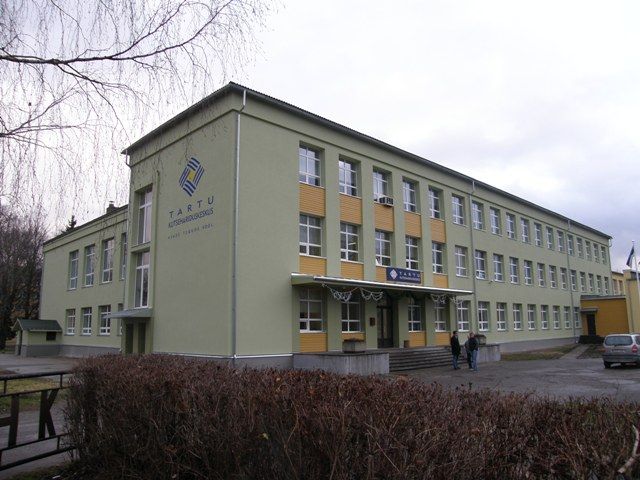
Tartu ist nach der Hauptstadt Talinn die zweitgrößte Stadt und nicht zuletzt durch den Standort der fast 400 Jahre alten Universität sozusagen die Bildungshauptstadt des Landes. Partnerschule der BBS Brinkstraße ist das Tartu Kutsehariduskeskus (KHK). Es handelt sich um eine Berufsschule mit über 3.000 Schülerinnen und Schülern, die in über 50 Berufen ausgebildet werden.
Die Partnerschaft beider Schulen besteht seit 2014. Seitdem fanden diverse Lehrer-, Ausbilder- und Schüleraustausche statt. Auszubildende der Bereiche Elektronik, Mechatronik, Produktdesign, Industriemechanik, Informatik und Systemplanung absolvierten sechswöchige Praktika in Betrieben in Tartu. Ebenso nahm die BBS Brinkstraße bereits eine Vielzahl estnischer Auszubildender auf, um sie ihrerseits in hiesige Betriebe zu vermitteln.
Das KHK war auch an Erasmus-geförderten strategischen Projektpartnerschaften der BBS Brinkstraße beteiligt. 2018 fand in Tartu ein Projekttreffen im Bereich des Energiemanagements mit Schülerinnen und Schülern sowie Lehrkräften aus vier Ländern statt.
Informationen zum Jyväskylän koulutuskuntayhtymä Gradia und zum Tampereen seudun ammattiopisto Tredu
Das Jyväskylän koulutuskuntayhtymä Gradia ist eine Berufsschule mit über 23.000 Schülerinnen und Schülern, die über 100 verschiedene Qualifikationen erreichen können, und über 1.000 Mitarbeitenden. Die Schule ist mit jeweils mehreren hundert entsandten und aufgenommenen Schüler/innen international sehr aktiv. Die Partnerschaft mit der BBS Brinkstraße besteht seit 2017 und begann als Erasmus-geförderte strategischen Projektpartnerschaft mit dem Technischen Gymnasium. In diesem Rahmen haben Osnabrücker Schüler/innen und Lehrkräfte erstmals Gradia besucht. Im Herbst 2019 wurden die ersten beiden Auszubildenden der Fachrichtung Mechatronik und Werkzeugmechanik für ein sechswöchiges Praktikum entsandt. Im Frühjahr 2020 waren die ersten drei Praktikanten der Gradia in Osnabrücker Betrieben.
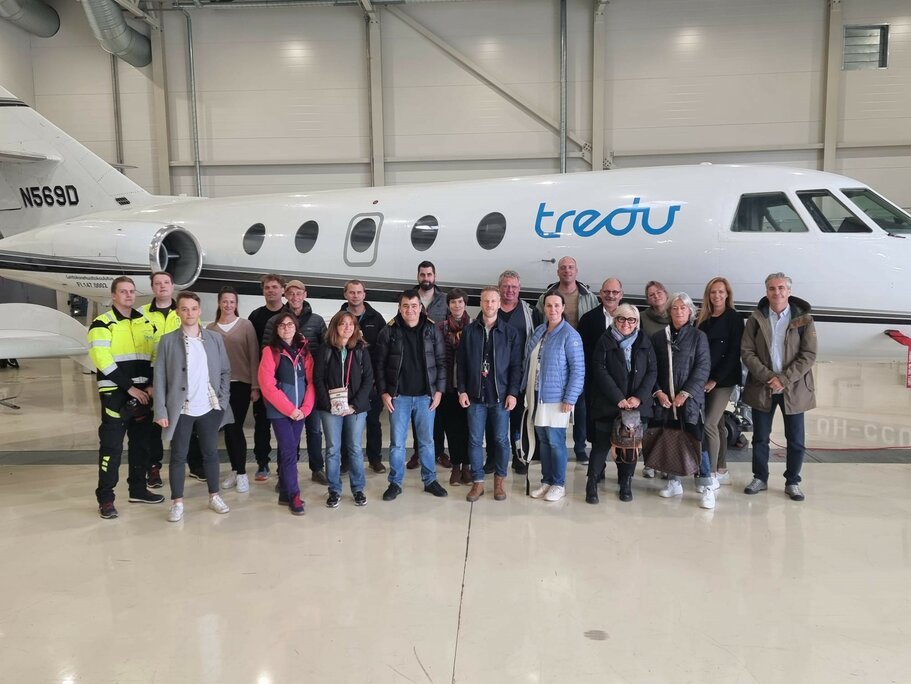
Seit 2018 besteht zudem eine Partnerschaft mit dem Tampereen seudun ammattiopisto Tredu. Dabei handelt es sich um eine Berufsschule, die 2013 als Zusammenschluss verschiedener Berufsbildungseinrichtungen gegründet wurde und insgesamt über 17.000 Schülerinnen und Schüler aus- und fortbildet. Auch Tredu ist international sehr aktiv mit ebenfalls mehreren hundert Aufnahmen und Entsendungen jährlich. Die BBS Brinkstraße hat bisher Auszubildende aus der Informatik, Mechatronik und Systemplanung für sechswöchige Praktika nach Tampere entsandt und mehrere Praktikanten unterschiedlicher Fachrichtungen aufgenommen.
Informationen zum I.S.I.S. "Città di Luino – C. Volonté"
Im Jahr 2015 besuchten die ersten Lehrer des in Luino am Lago Maggiore gelegenen technischen Gymnasiums I.S.I.S. "Città di Luino – C. Volonté" gemeinsam mit der Firmenchefin Patrizia Ghiringhelli die BBS Brinkstraße in Osnabrück. Seit 2016 absolvieren jeweils im Frühjahr und Herbst eines Jahres jeweils zwei Auszubildende sechswöchige Praktika in den Firmen SPM und Ghiringhelli. Bisher kamen sie hauptsächlich aus den Bereichen Zerspanungsmechanik, Elektronik und Mechatronik; vereinzelt konnten auch Werkstoffprüfer und Produktdesigner entsandt werden. Ebenfalls seit 2016 kommen jeweils im Spätsommer zwei Schüler aus Luino, zumeist aus der Fachrichtung Elektrotechnik, um vierwöchige Praktika in Osnabrücker Betrieben zu absolvieren.
In den letzten Jahren kam es mehrfach zu gegenseitigen Besuchen der Lehrkräfte. Das I.S.I.S. "Città di Luino – C. Volonté" ist zudem auch an den Erasmus-geförderten strategischen Projektpartnerschaften der BBS Brinkstraße beteiligt.
Informationen zur Niederlande - Sneek/Drachten/Zwolle
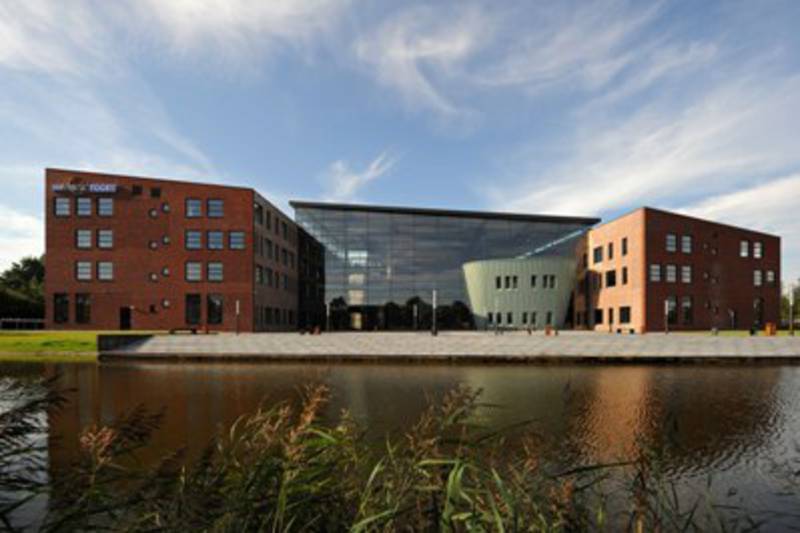
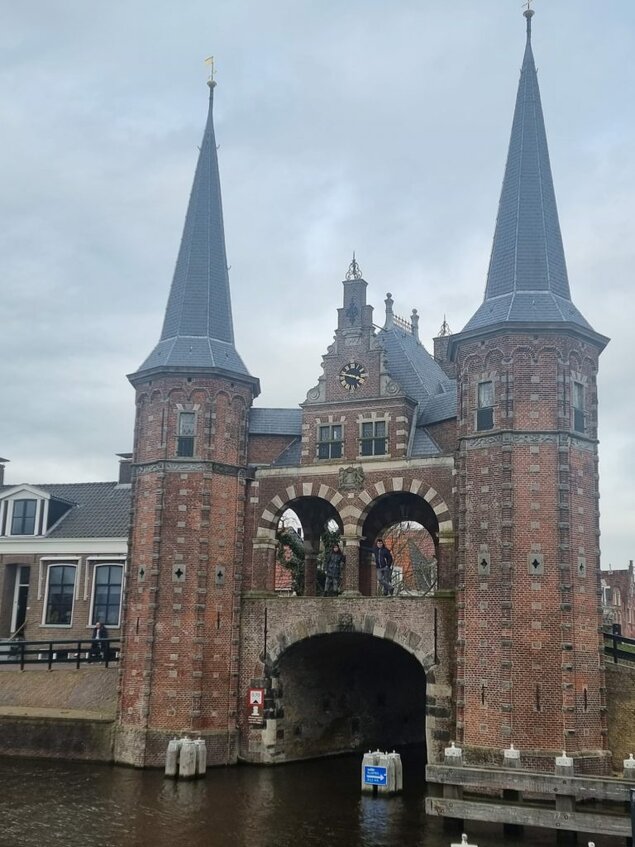
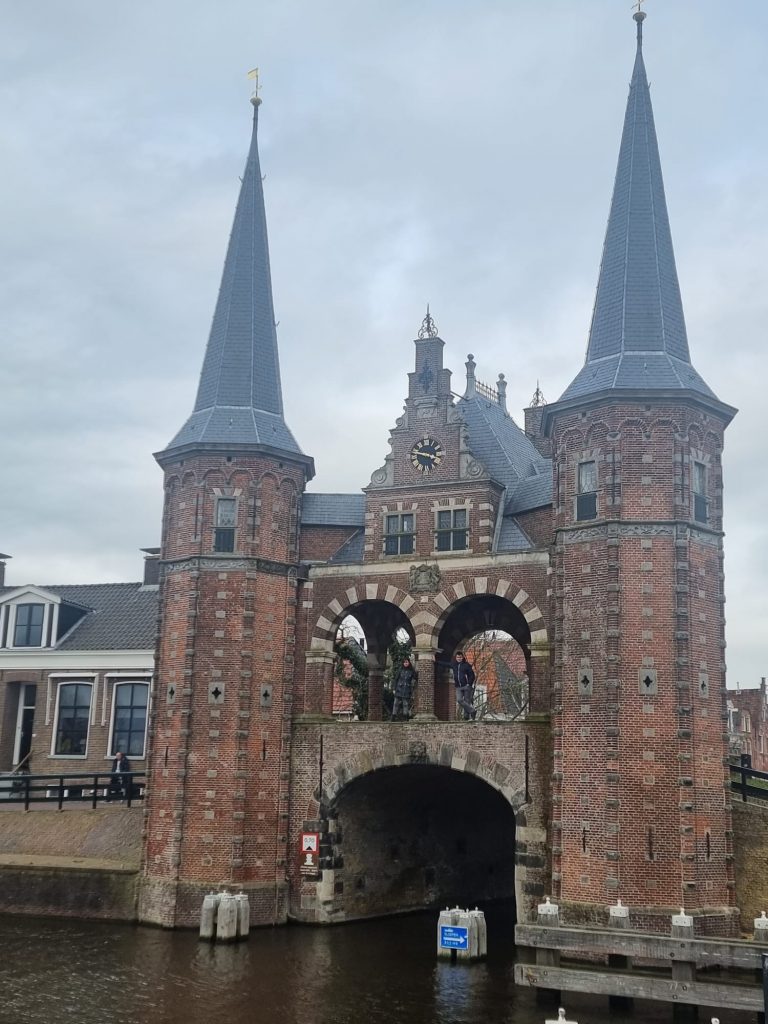
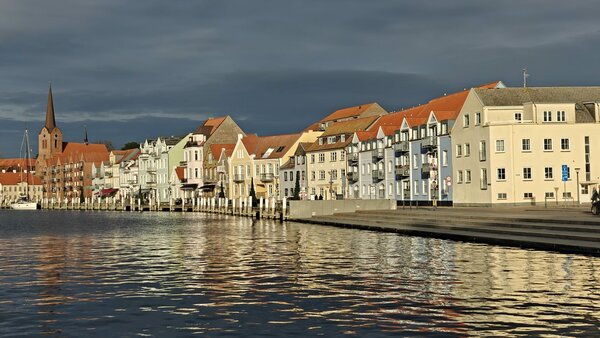
Die Partnerschaft zum niederländischen Berufsschulzentrum ROC Friese Poort in Sneek in der Provinz Friesland besteht seit 2005, dem ROC Friese Poort in Drachten seit 2011.
Das ROC (Regionales Ausbildungszentrum) Friese Poort bietet mit 1.300 Mitarbeitenden 12.000 Jugendlichen und Erwachsenen eine Berufsausbildung. Der Unterricht findet in den nordniederländischen Standorten Leeuwarden, Dokkum, Drachten, Sneek und Emmeloord statt. Im Rahmen der Kooperation wurde bereits eine große Zahl von Auszubildenden ausgetauscht. Traditionell werden Mechatroniker, Elektroniker und Informatiker eher nach Sneek, Metallberufe eher nach Drachten entsandt.
Das ROC Friese Poort ist zudem auch an den Erasmus-geförderten strategischen Projektpartnerschaften der BBS Brinkstraße beteiligt. 2019 fand in Friesland ein Projekttreffen im Bereich des Energiemanagements mit Schülerinnen und Schülern sowie Lehrkräften aus vier Ländern statt.
Mit der Abteilung Augenoptik des Deltion College in Zwolle besteht eine Kooperation seit 2014. Das Delton College in Zwolle hat 14.000 Schüler und 850 Mitarbeiter. Seit 2017 werden regelmäßig Lehrkräfte und Auszubildende der Augenoptik ausgetauscht.
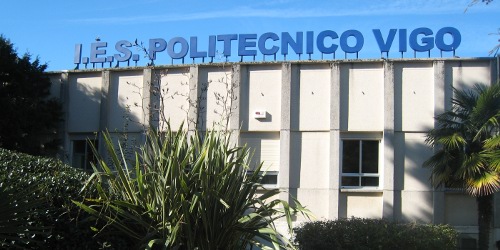
Informationen zum IES Politécnico de Vigo und CIFP Manuel Antonio
Die Beziehungen zum IES bestehen seit 2011, damals zunächst über ein Comenius-Regio-Projekt, an dem auch der Schulträger der BBS, der Landkreis Osnabrück beteiligt war. Seitdem wurden die Aktivitäten mit gegenseitigen Besuchen und EU-Praktika von Auszubildenden stetis ausgebaut.
Das I.E.S. Polytechnik in Vigo ist mit ca. 1600 Schülern und 150 Lehrern die größte und somit auch eine sehr gefragte Bildungseinrichtung in der Region von Vigo (Galicien). Neben der Sekundarstufe I und II mit den Schwerpunkten Naturwissenschaften, Technik und bildende Künste werden Berufs- und Erwachsenenausbildung v.a. in den Bereichen Technik (i.B. Mechanik und Elektrotechnik) sowie Bauwesen angeboten. Das Bildungszentrum unterhält zahlreiche Kontakte zu sozialen und betrieblichen Einrichtungen, so dass leicht berufliche Praktika vermittelbar sind. Europäische Kontakte spielen für das Zentrum eine große Rolle. Für die BBS ist dies sowie die besondere technische Schwerpunktsetzung, aber auch die Kontakte zu den Betrieben von besonderem Interesse. In den ersten Jahren wurden insbesondere Chemielaboranten und -laborantinnen für Betriebspraktika entsandt. Später kamen Mechatroniker, Werkstoffprüfer, Produktdesigner, Elektroniker, Metallberufe u.a. hinzu.
Im Frühjahr 2019 wurde zudem erstmals eine gesamte Klasse aus dem dualen System (Mechatroniker) zum IES entsandt. Vor Ort wurden gemeinsam mit dem spanischen Partner neue Ausbildungsinhalte zu Industrie 4.0 getestet, die in zwei Fällen auch zu einer prüfungsrelevanten Zusatzqualifizierung im Ausbildungsberuf Mechatroniker eingesetzt werden konnten.
Die BBS Brinkstraße nimmt im Gegenzug auch Schülerinnen und Schüler des IES auf und vermittelt sie in hießige Betriebe. Es handelt sich in den meisten Fällen um Automatisierungstechniker, die ihr Abschlusspraktikum im Ausland absolvieren möchten. Mehrere haben bereits einen Anschlussvertrag erhalten und leben teils noch immer in Osnabrück bzw. in der Region.
CIFP Manuel Antonio
2018 wurden erste gegenseitige Besuche von Kolleginnen und Kollegen der BBS Brinkstraße und des ebenfalls in Vigo befindlichen Collegio Manuel Antonio durchgeführt. 2019 haben beide Schulen jeweils mehrere sechswöchige Betriebspraktika für Chemielaborantinnen und -laboranten in Vigo bzw. Osnabrück vermittelt. Dies soll in Zukunft fortgesetzt werden.
Informationen zum Fáy András und zum Ványai Ambrus- Ungarn
Mit der Berufsschule Fáy András Közlekedésgépészeti Mûszaki Szakközépiskola in Budapest, die auf KFZ-Technik spezialisiert ist, besteht eine Partnerschaft, die sowohl einen Lehreraustausch der Kolleginnen und Kollegen der KFZ-Technik als auch einen Austausch von Auszubildenden beinhaltet. Die ersten ungarischen Auszubildenden kamen erstmals im Herbst 2006 nach Osnabrück. Seitdem hat sich die Partnerschaft verstetigt.
Seit 2018 besteht eine Partnerschaft mit dem Ványai Ambrus Gymnasium in Túrkeve, Ungarn. Es handelt sich um eine kleinere Berufsschule, die hauptsächlich Schweißer, KFZ-Techniker und Kaufleute ausbildet, jedoch bereits seit vielen Jahre international aktiv ist. Seit 2018 haben mehrere Lehrkräfte und Ausbildende aus Túrkeve die BBS Brinkstraße besucht, ein Gegenbesuch steht noch aus. Die BBS Brinkstraße hat bereits mehrfach Auszubildende des Ványai Ambrus aufgenommen, die mehrheitlich Betriebspraktika bei der Firma PRÄZI-FÖRDERTECHNIK in Bohmte absolviert haben. Sobald wie möglich möchte die BBS Brinkstraße ebenfalls Auszubildende aus der KFZ-Technik und/oder aus Metallberufen nach Túrkeve entsenden.
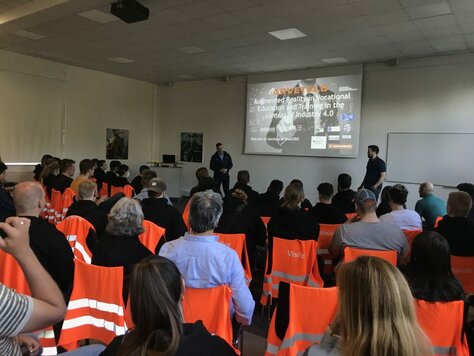
Arveti 4.0 (Augmented Reality in vocational education and training in the context of Industry)
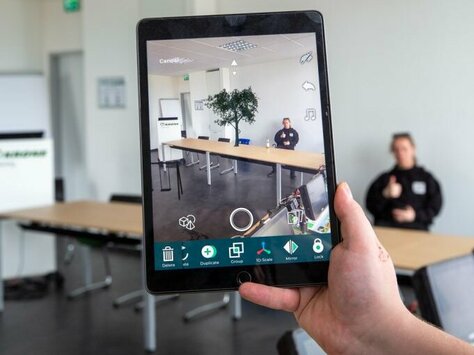
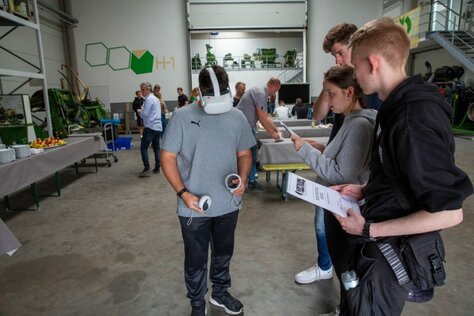
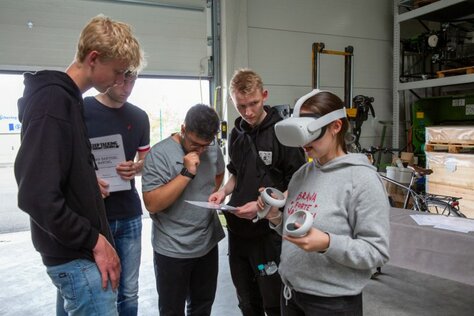
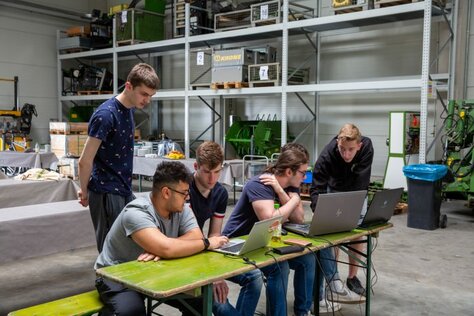
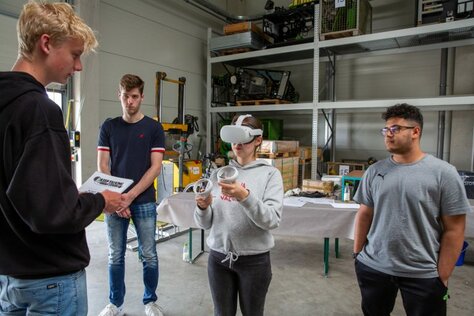
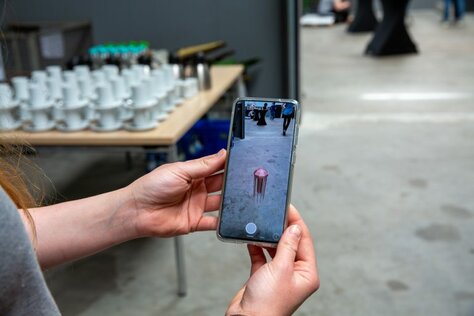
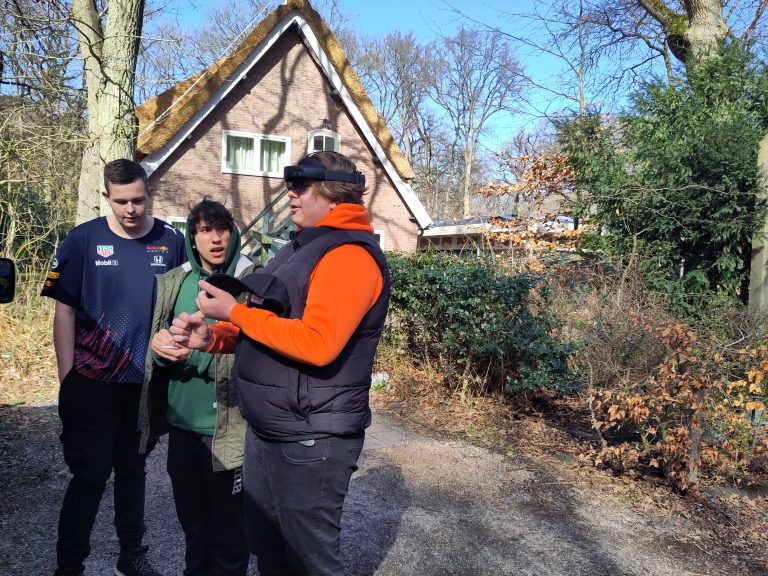
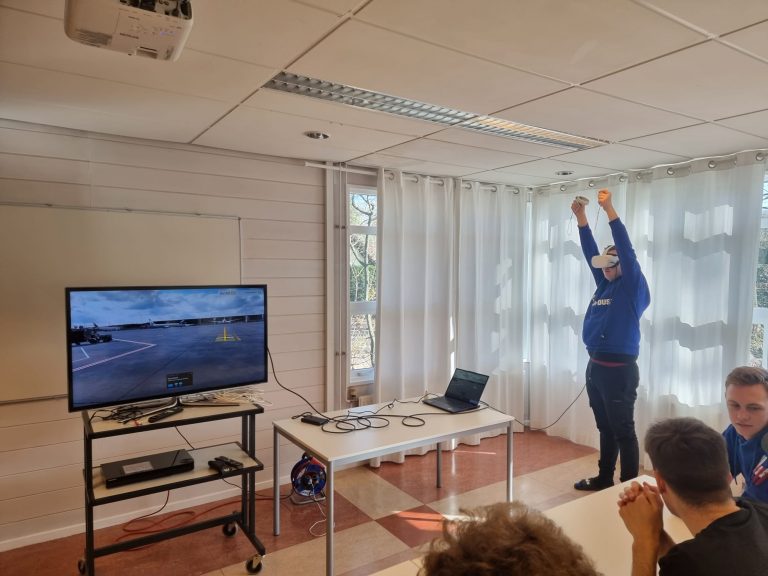
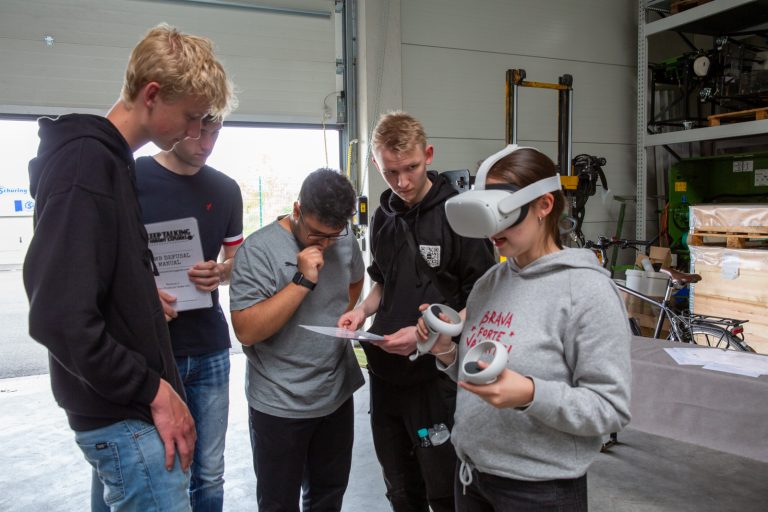
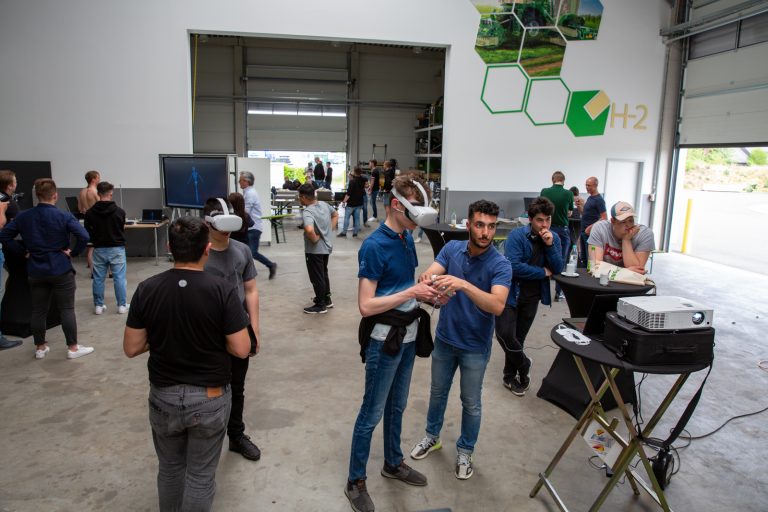
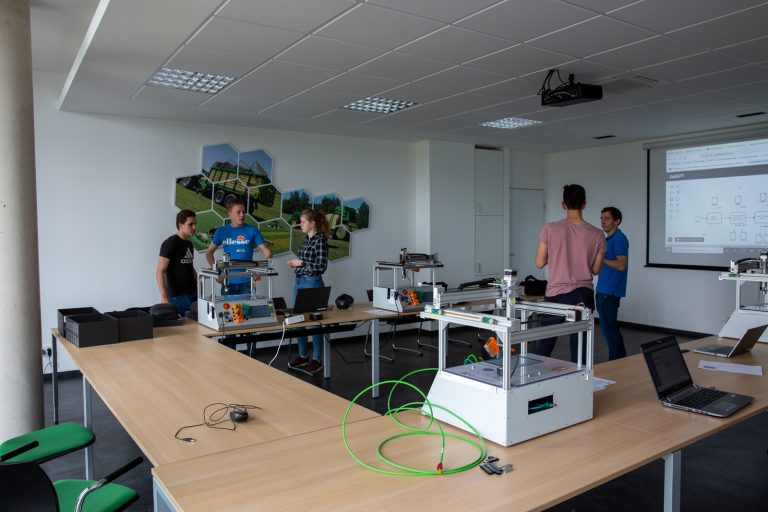
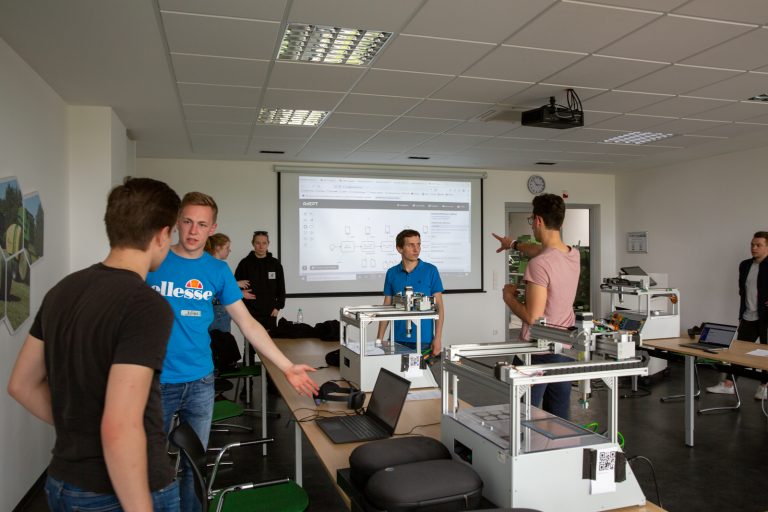
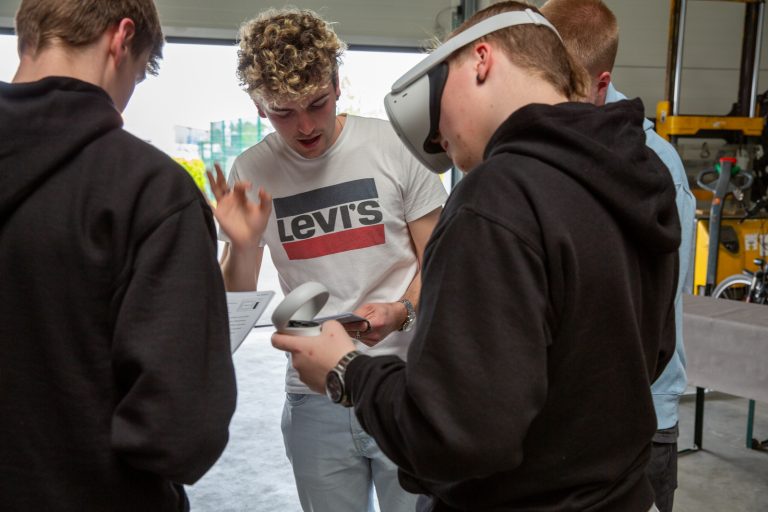
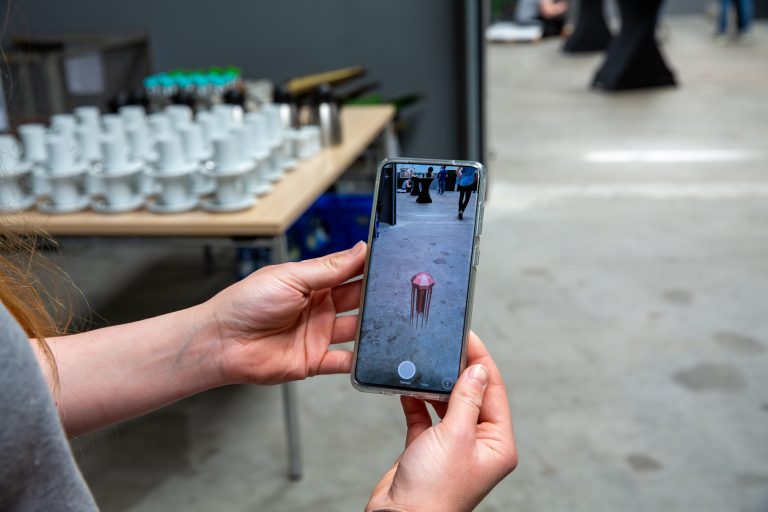
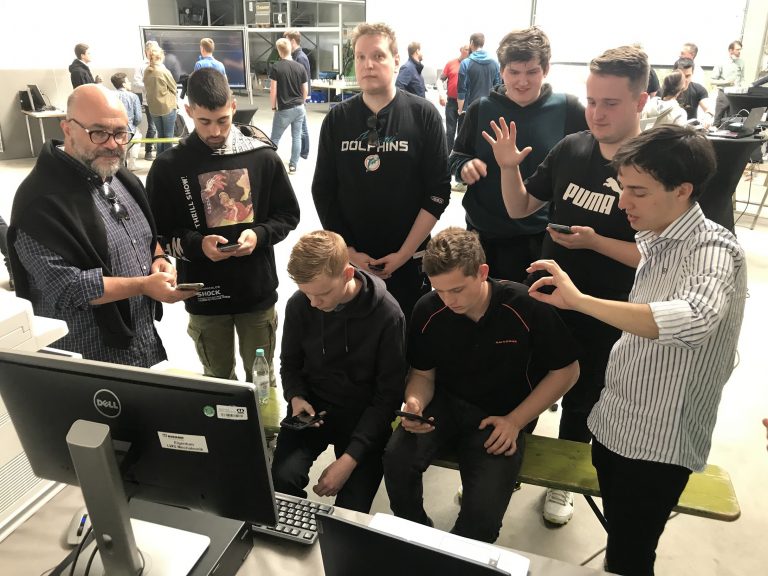
Arveti 4.0 is an Erasmus+ funded project, led by the BBS Brinkstrasse Vocational College in Osnabrück, Germany. Together with our wonderful partner schools from the Netherlands, Italy, Finland and Spain planned 2 year project with meetings in each partner country. Our aim? explore and understand augmented and virtual reality (AR and VR). To do this, we worked closely with companies in the Osnabrück region to learn how they utilise AR and VR technologies in their businesses. This collaboration is not only a step towards a digital future in Europe, but also ensures a productive exchange between educational institutes and future employers. The project included 5 meetings, each hosted by the participating countries (2 LTTAs: Learning/ Teaching/ Training Activity, 3 TPMs: Transnational Project Meeting. See timeline for further details) and in between meetings the teachers and students reflected and planned further steps, both by meeting within our country groups and as a whole team online. Our website serves as a document of the progression of our project.
Let’s futurize Europe! Arveti 4.0 (Augmented Reality in vocational education and training in the context of Industry) is an Erasmus+ funded project, led by the BBS Brinkstrasse Vocational College in Osnabrück, Germany. Together with our wonderful partner schools from the Netherlands, Italy, Finland and Spain Our aim? explore and understand augmented and virtual reality (AR and VR).
Augmented Reality in vocational education and training in the context of Industry 4.0
Let’s futurize Europe! Arveti 4.0 (Augmented Reality in vocational education and training in the context of Industry) is an Erasmus+ funded project, led by the BBS Brinkstrasse Vocational College in Osnabrück, Germany. Together with our wonderful partner schools from the Netherlands, Italy, Finland and Spain we have planned a project lasting 2 years with meetings in each partner country with the overall aim of exploring and understanding augmented and virtual reality (AR and VR). To do this, we are working closely with companies in the Osnabrück region to learn how they use AR and VR in their factories. This collaboration is not only a step towards a digital future in Europe, but also ensures a productive exchange between educational institutes and future employers. Over the course of the project we’ll meet 5 times in person (LTTAs) and in between meetings we’ll reflect and plan both by meeting within our country groups and as a team online. Our website will be updated with details of our results as the project develops.
Augmented Reality (AR) and Virtual Reality (VR) as part of the Industrial Revolution 4.0 – Where should European vocational training be heading in these times? Project description
The growing degree of complexity of current and future technical processes demands training that meets the requirements. Skilled workers are confronted with increasingly complex systems that can only be mastered through experience and training time. This time costs money and should be reduced with the help of machines, which become more and more complex. Technology such as "augmented reality" and "virtual reality" is intended to support this. One of the aims of this project is to establish practice-relevant cooperation between vocational colleges and companies in this future-oriented area. With their service-oriented view, companies are facing these issues as well and in turn are looking for solutions. For vocational training and thus for skilled workers 4.0, this development raises questions about content and methodology. The collaboration between learning locations that has been carried out so far as part of the preceding KA2 project has triggered the cooperation as a tool for vocational training. In this project, this should be maintained and consolidated. Cooperation is to take place on a national and European level in order to create the broadest possible exchange of experience on technological possibilities and necessities and to expand experience in workplace-related and self-organized learning.
Project objectives In this project, the AR and VR technologies from the European environment are to be brought together, examined in an application-related manner and prepared for school lessons. Furthermore, the partners’ best practice strategies should be implemented and consolidated and European cooperation between schools and companies should be strengthened. In order to acquire technical knowledge about possible areas of application and risks of AR and VR, a joint advanced training should be carried out. Each partner, together with companies, will get an overview of possible applications in the local area and will create learning situations in a workplace context, which will be carried out by students independently. On this basis, these students will create learning arrangements that will first be tested in their own school and will then be carried out and analyzed during the Learning/ Teaching/ Training Activity (LTTA) in mixed European groups. The created and evaluated learning situations will be adapted and carried out in all partner schools. The results and adjustments will be evaluated in the final Transnational Project Meeting (TPM). Expected results:
applicable learning situations with a company background
learning content in the context of Industry 4.0
application of workplace-related learning
new ideas for teaching material
students as innovators for the company
strengthening of cooperation between companies and schools
interlinking of theoretical and practical training
exchange of experience
Target groups
school teachers and apprentices
company representatives of the vocational schools and companies involved in the project
company representatives of the vocational schools and companies involved in the project
further teachers, trainees, company representatives with whom the project participants collaborate
participants in other Erasmus + projects
other vocational training institutions in the individual participating countries
Show larger version
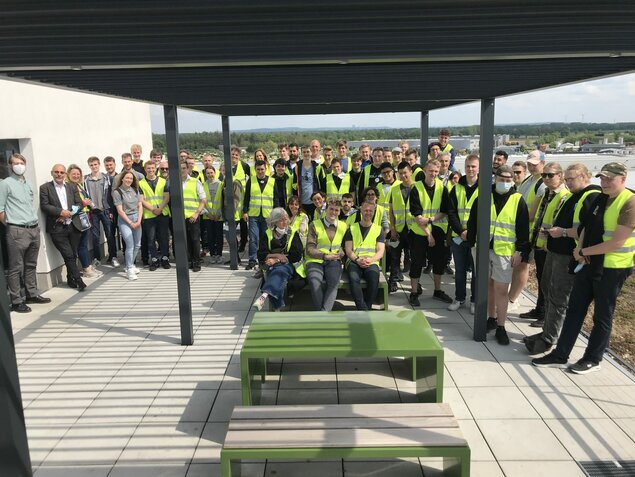
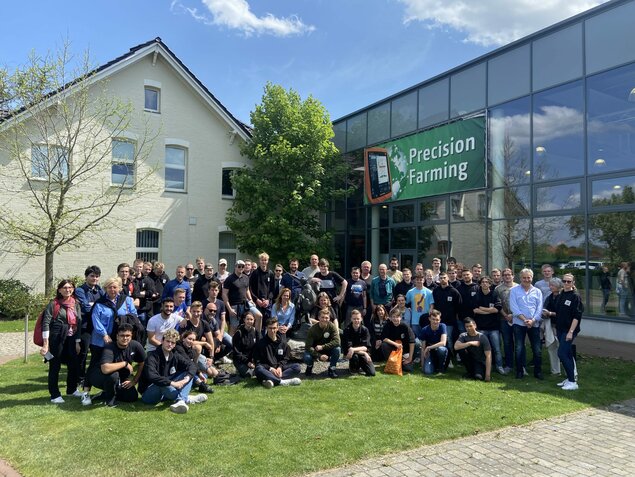
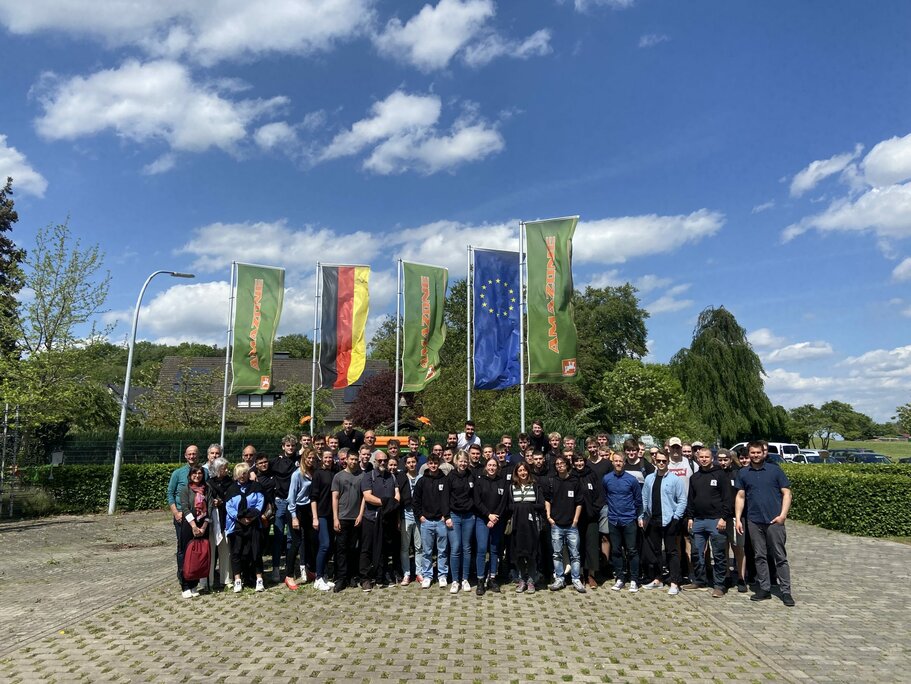
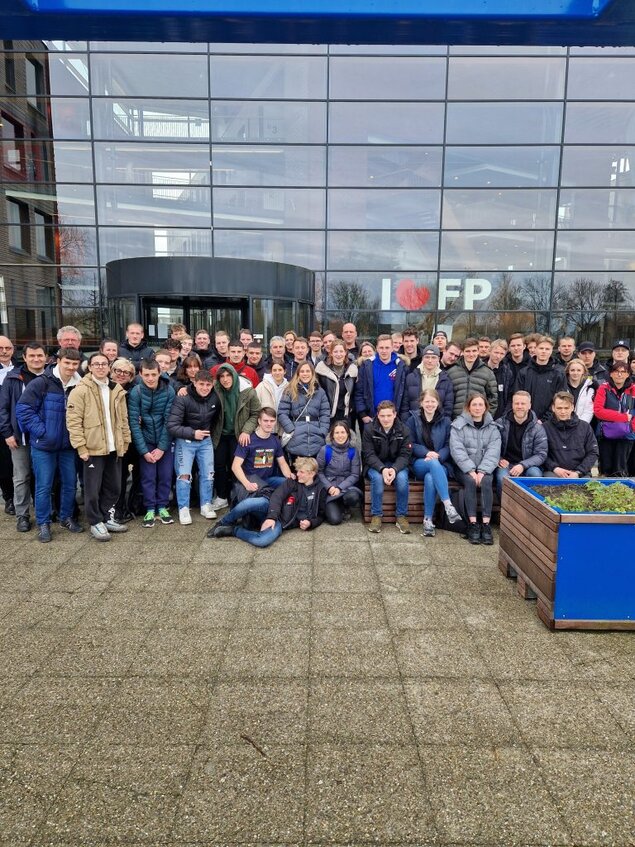
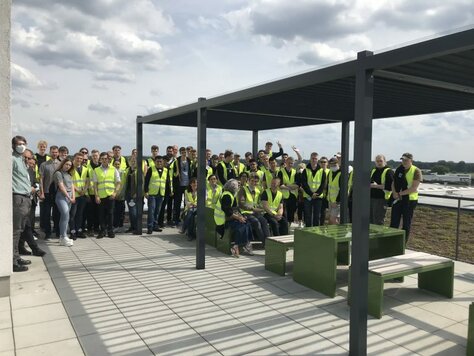
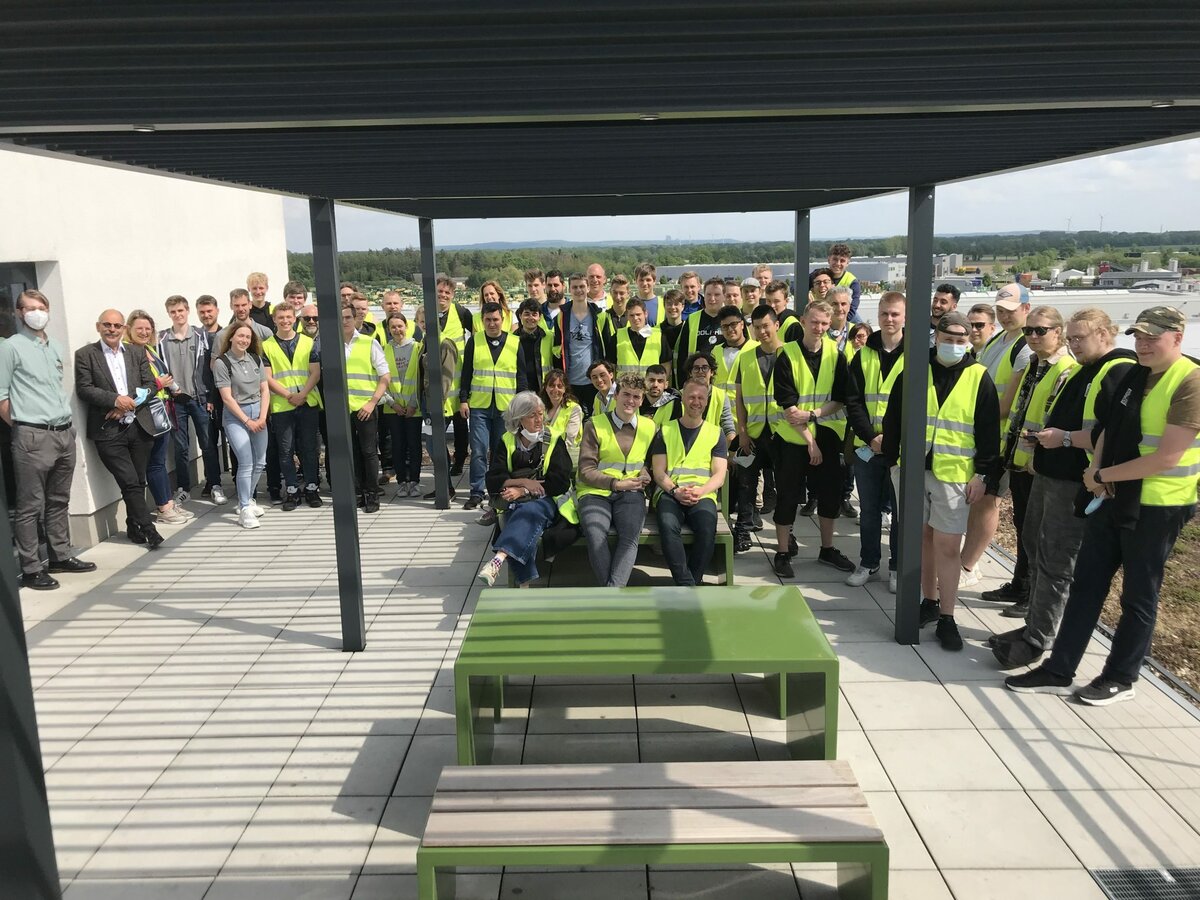
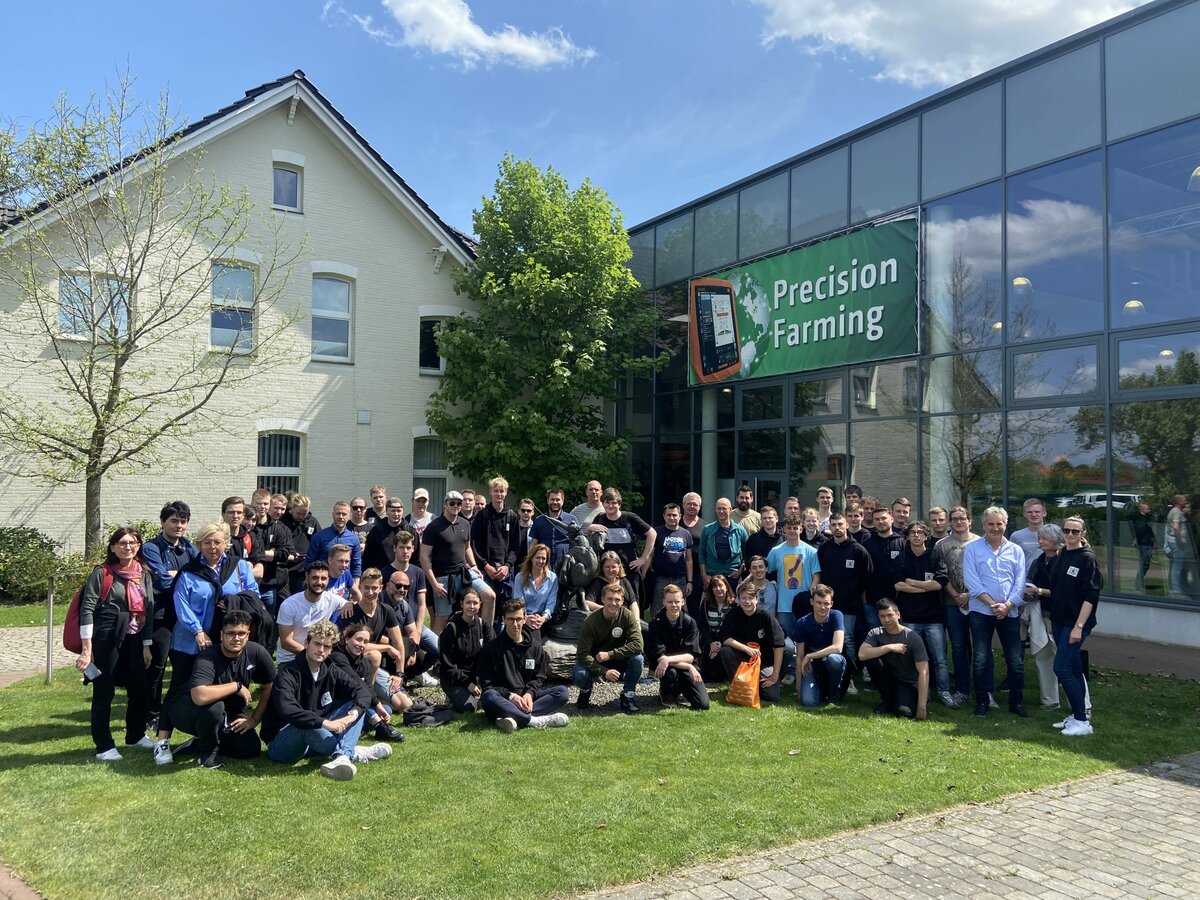
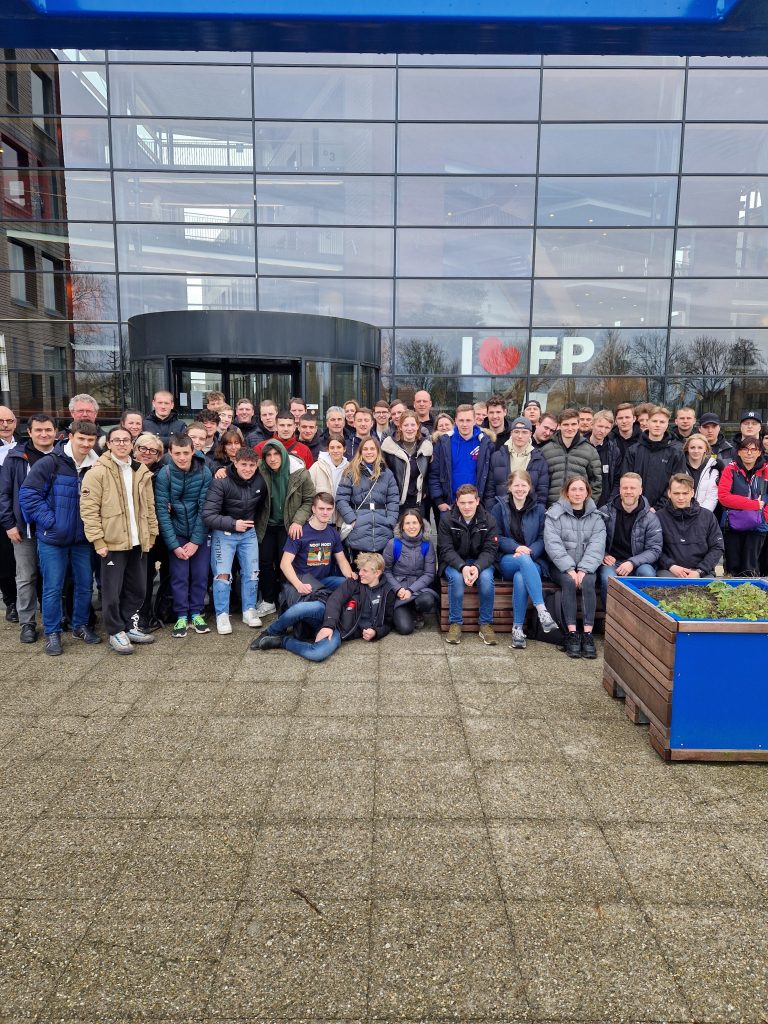
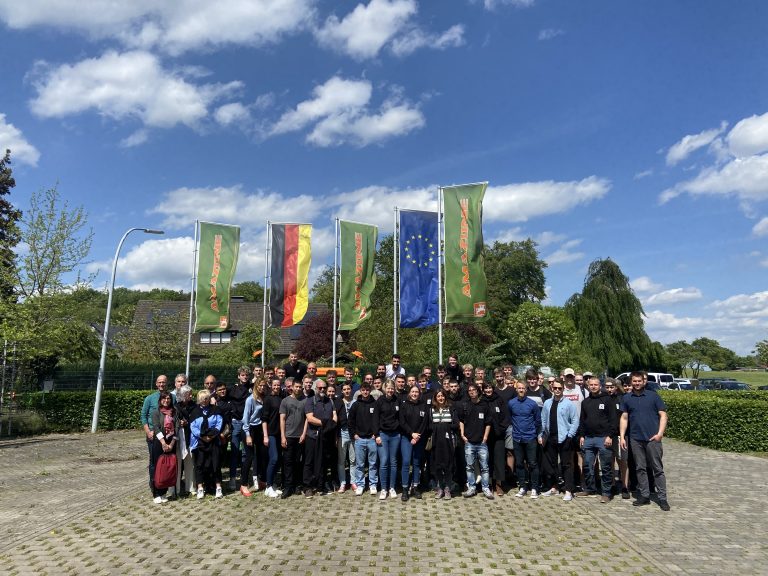
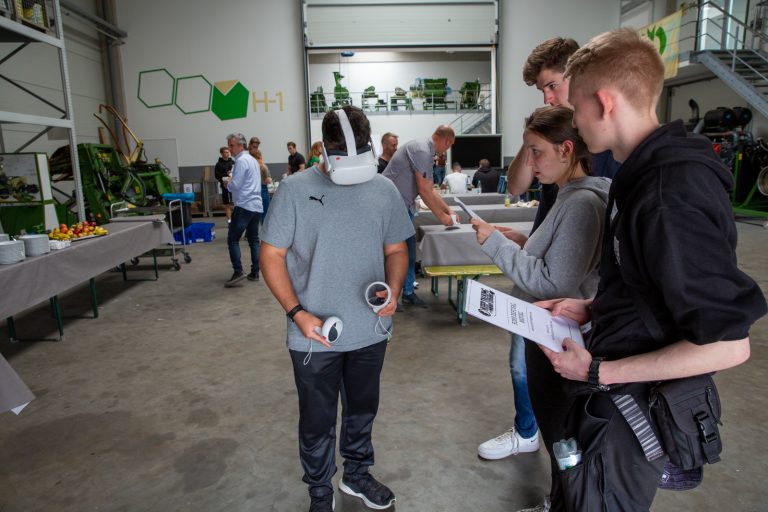
Group photo of the team outside Amazone after our visit. Amazone gave us a factory tour and introduced us to their already advanced uses of AR and VR in the customer services industry. Technicians in the company have programmed troubleshooting software to enable Amazone's customers to become familiar with their machinery without having to travel to the factory in person. Being able to see and test Amazone's technology was a great inspiration for students, providing them with first-hand experience of how modern companies are optimizing their customer care with state-of-the-art technologies.
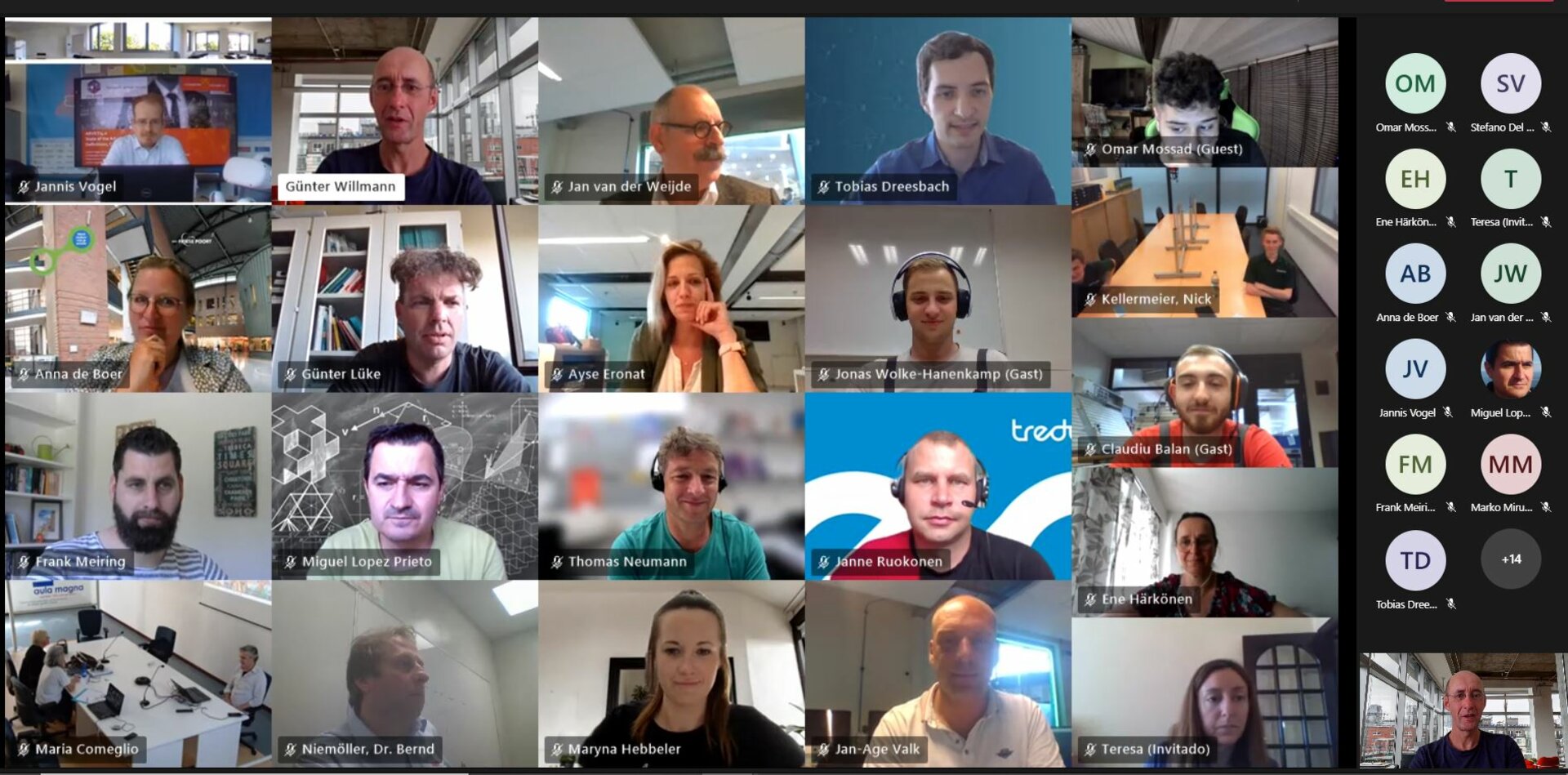
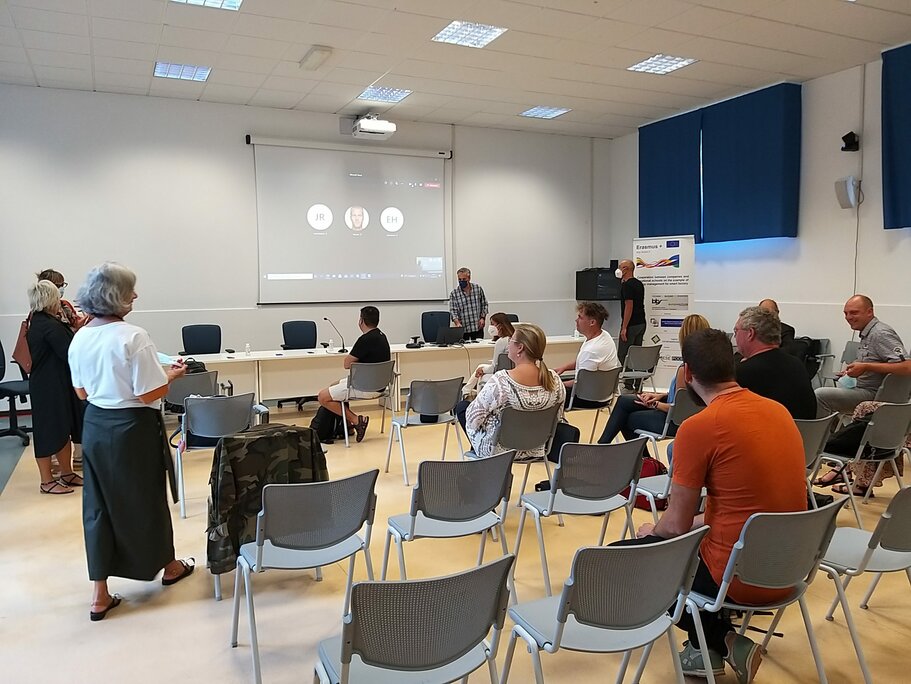
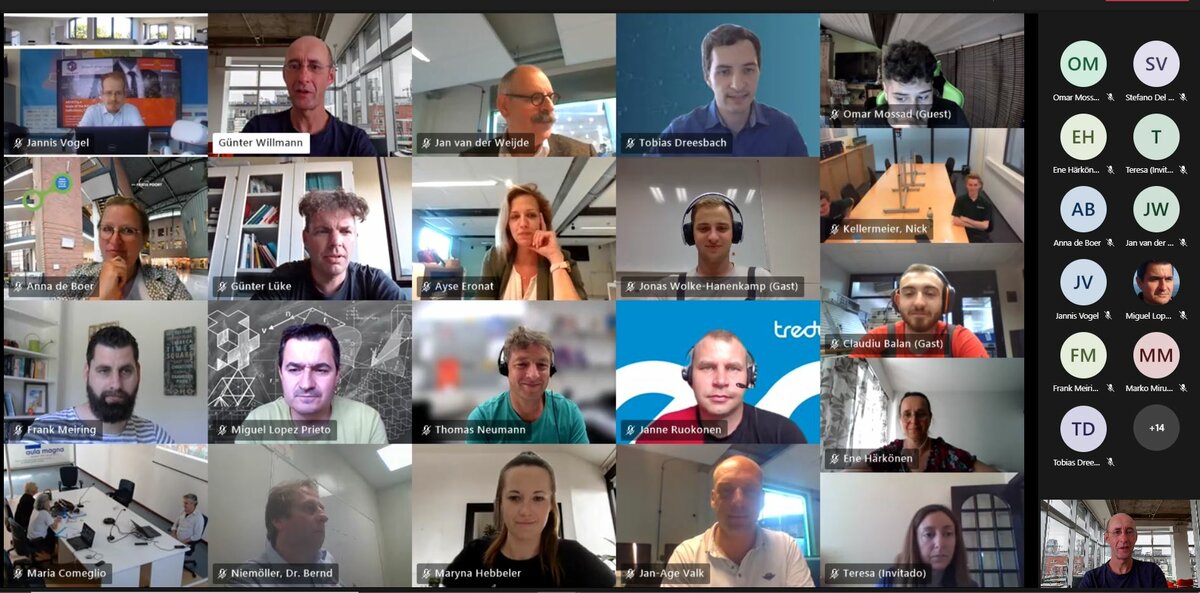
During the two-day online kick off of the project teachers from each college got to know each other and developed the project story and timeline. We got to know our each partner city through sharing pictures and videos. Of course we did some team-building games and discussed potential project partners and stakeholders. Finally, we distributed roles and decided which responsibilities each member of the project has. But most importantly we decided the tasks students should work on before the first meeting.
TPM1 - Luino, Italy
13/09/2021-17/09/2021TPM1
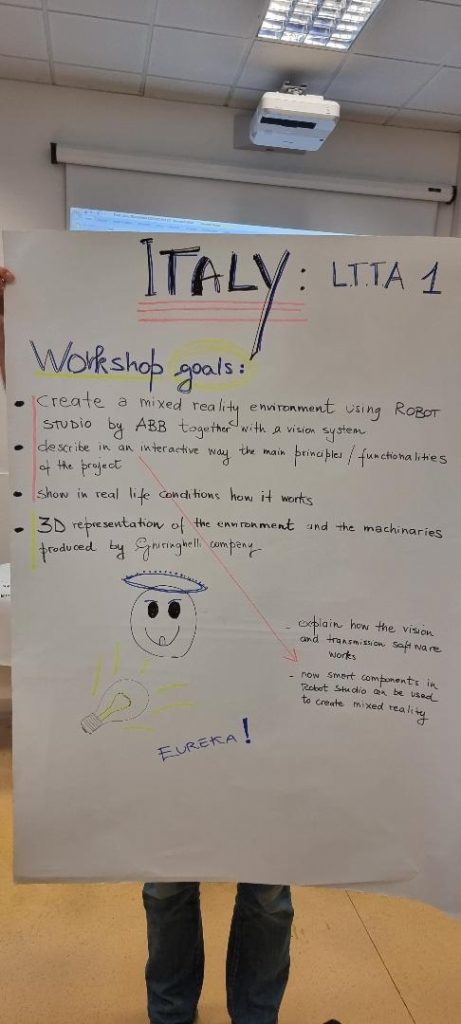
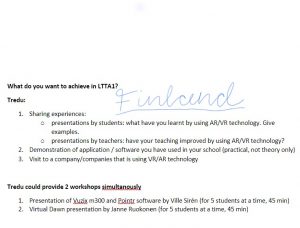
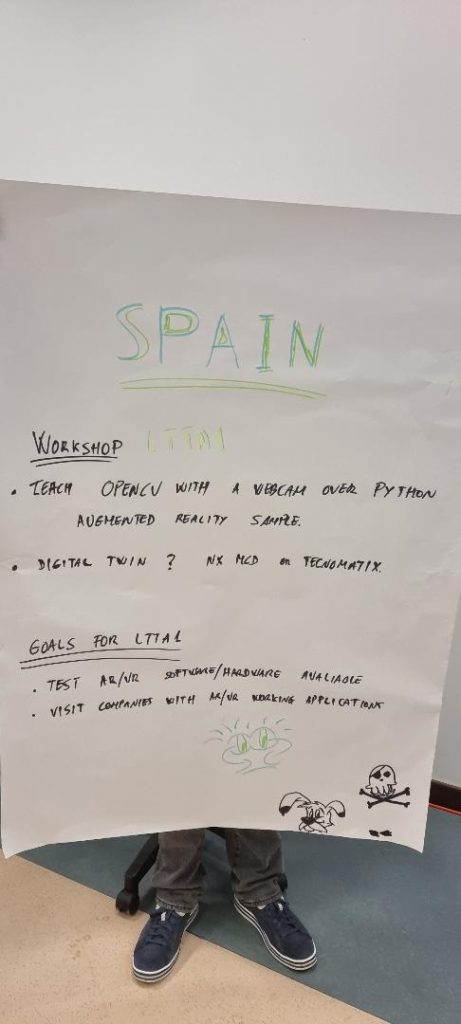
When teachers met in Luino, Italy, we met for the first time in person. Unfortunately, Tredu (Finland) weren't able to join us due to pandemic regulations in their country, but joined in with activities online. Here, we fed back on the status and progress of the project in each country, clarified organisational details and began to plan the programme, workshops and leisure activities of the LTTA1.
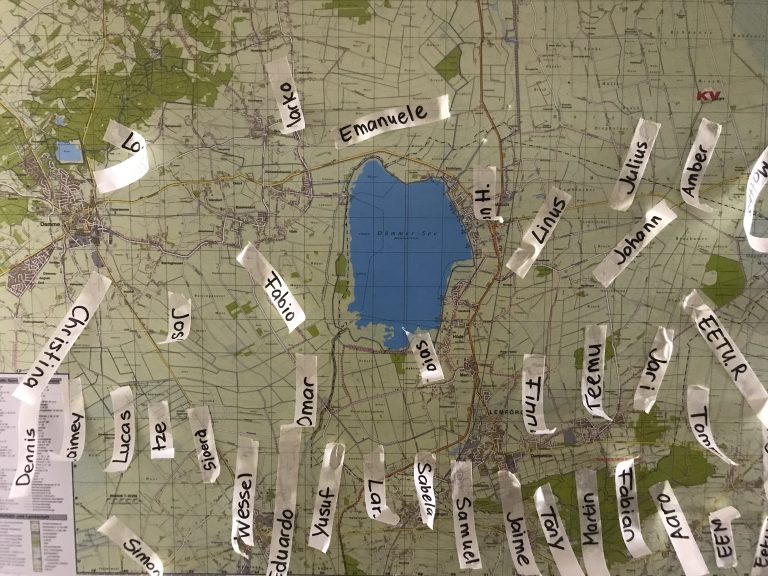
LTTA1 - Dümmersee, Germany
08/05/2022-14/05/2022
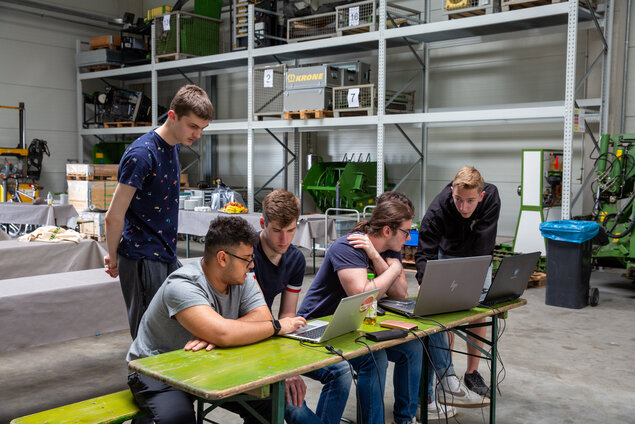
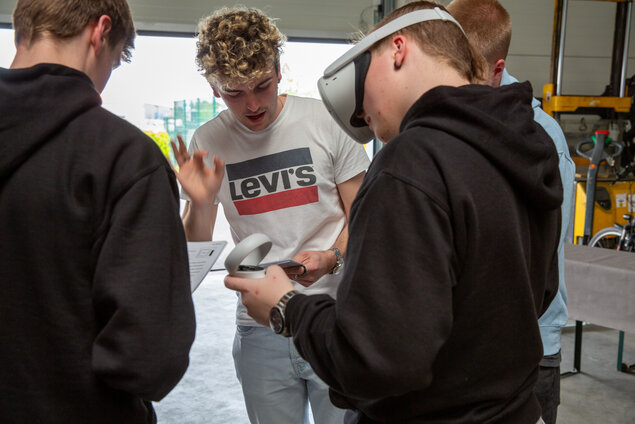
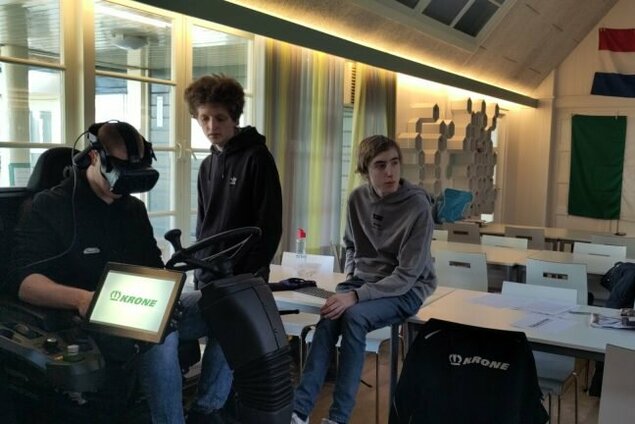
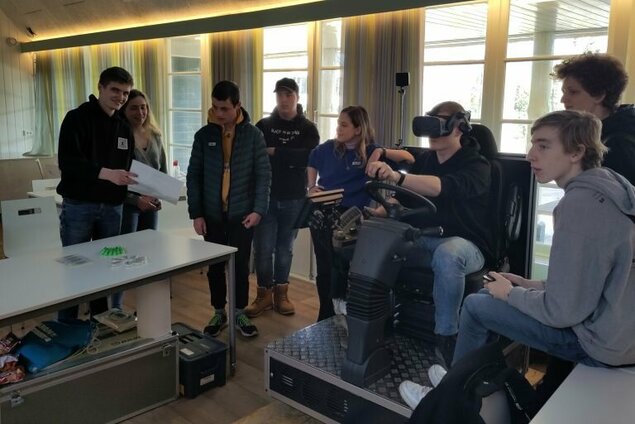
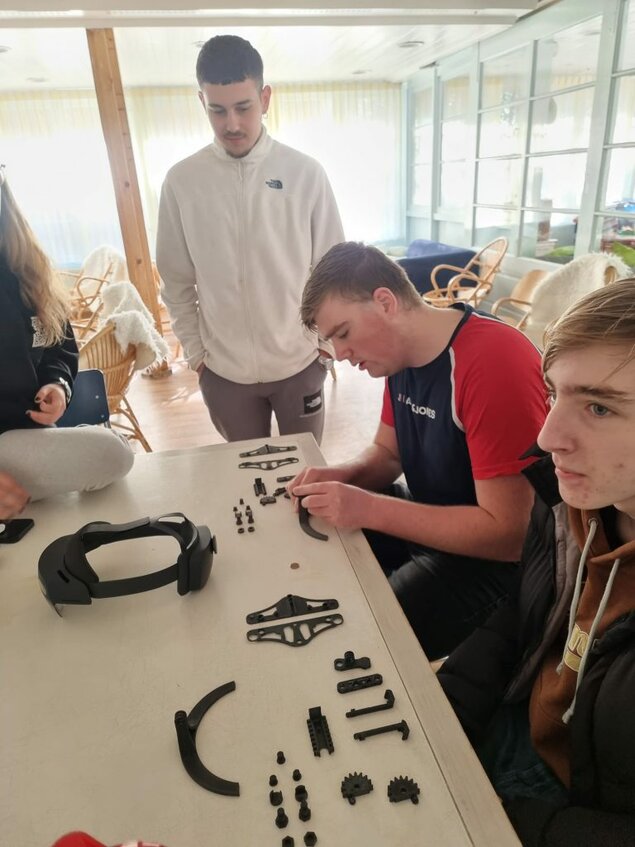
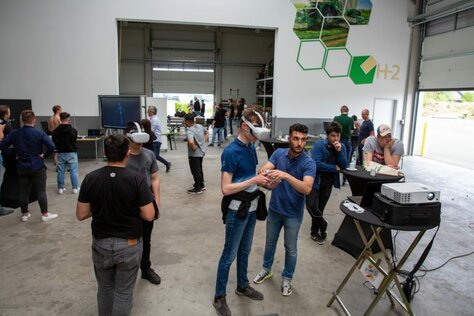
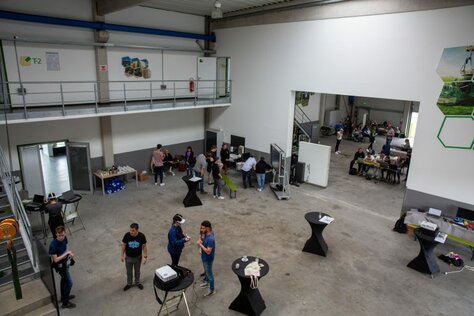
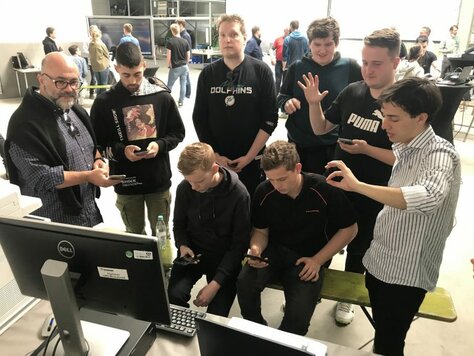
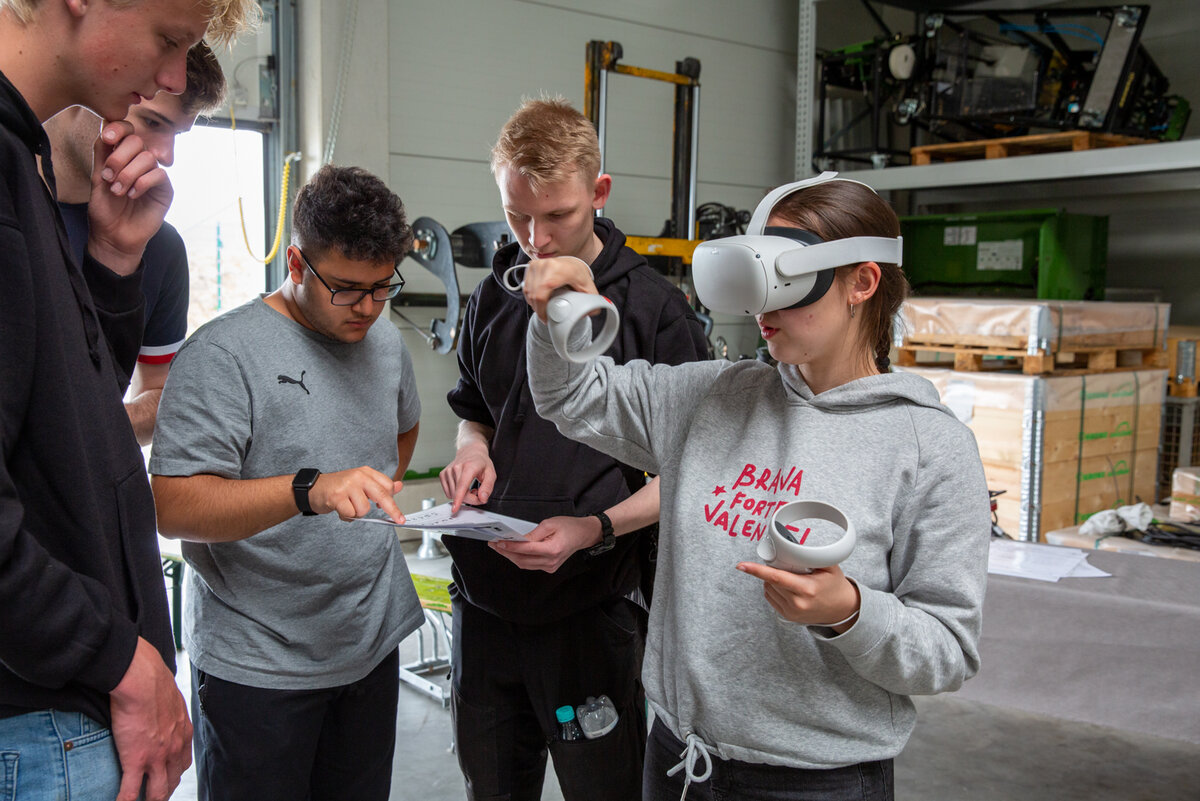
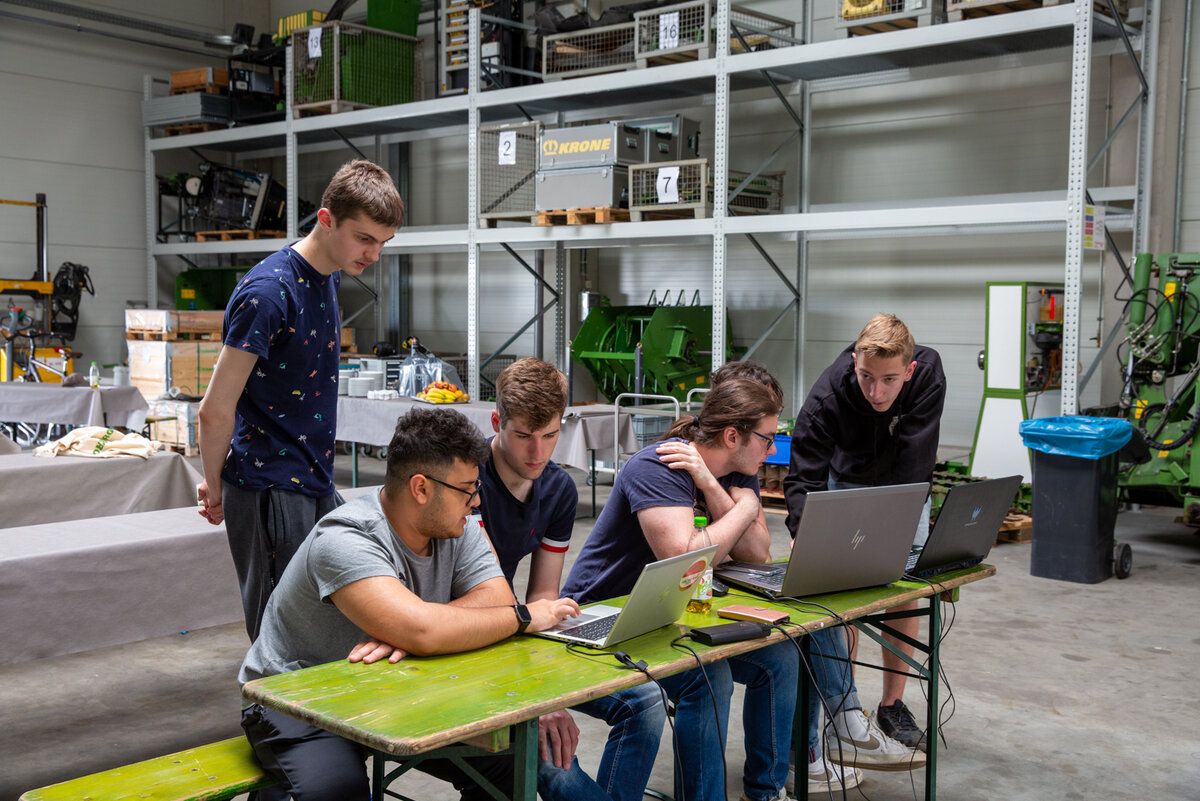
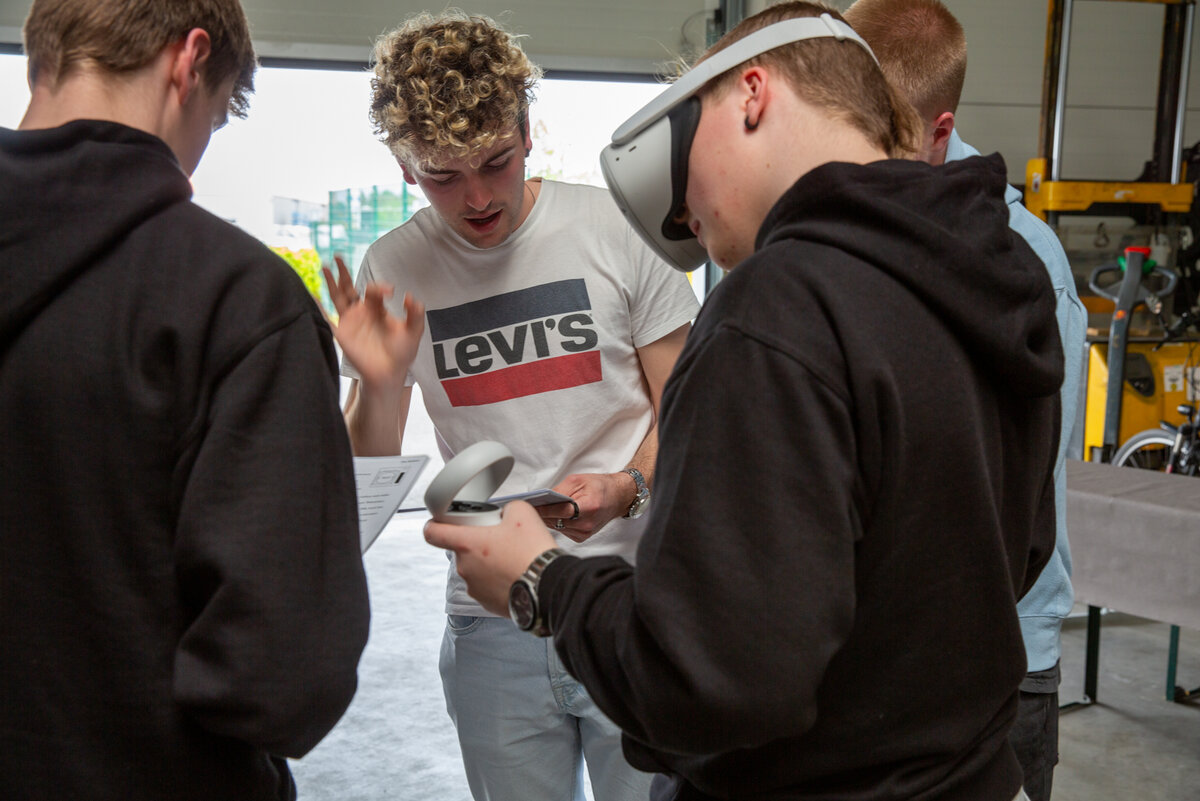
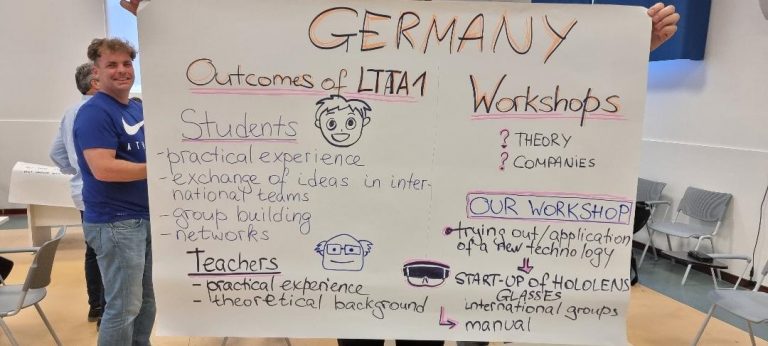
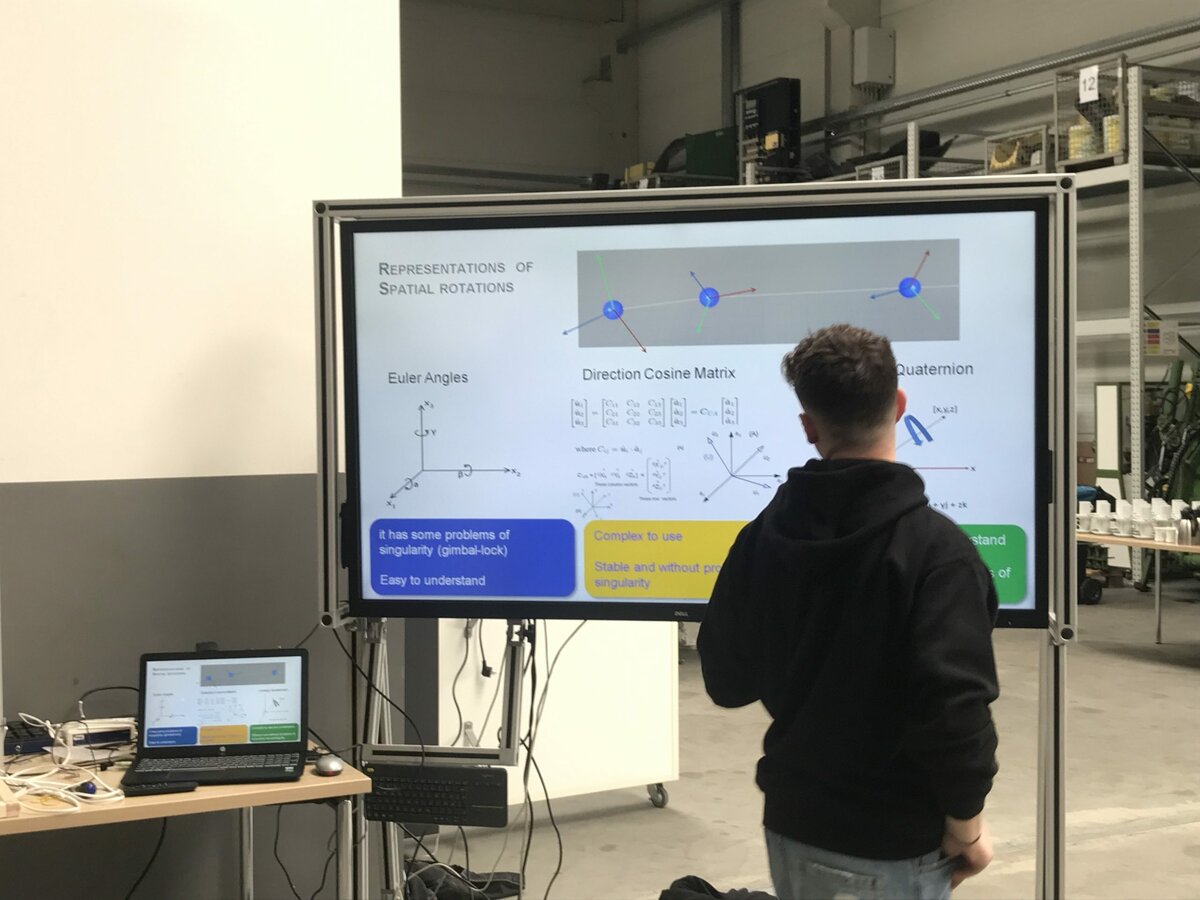
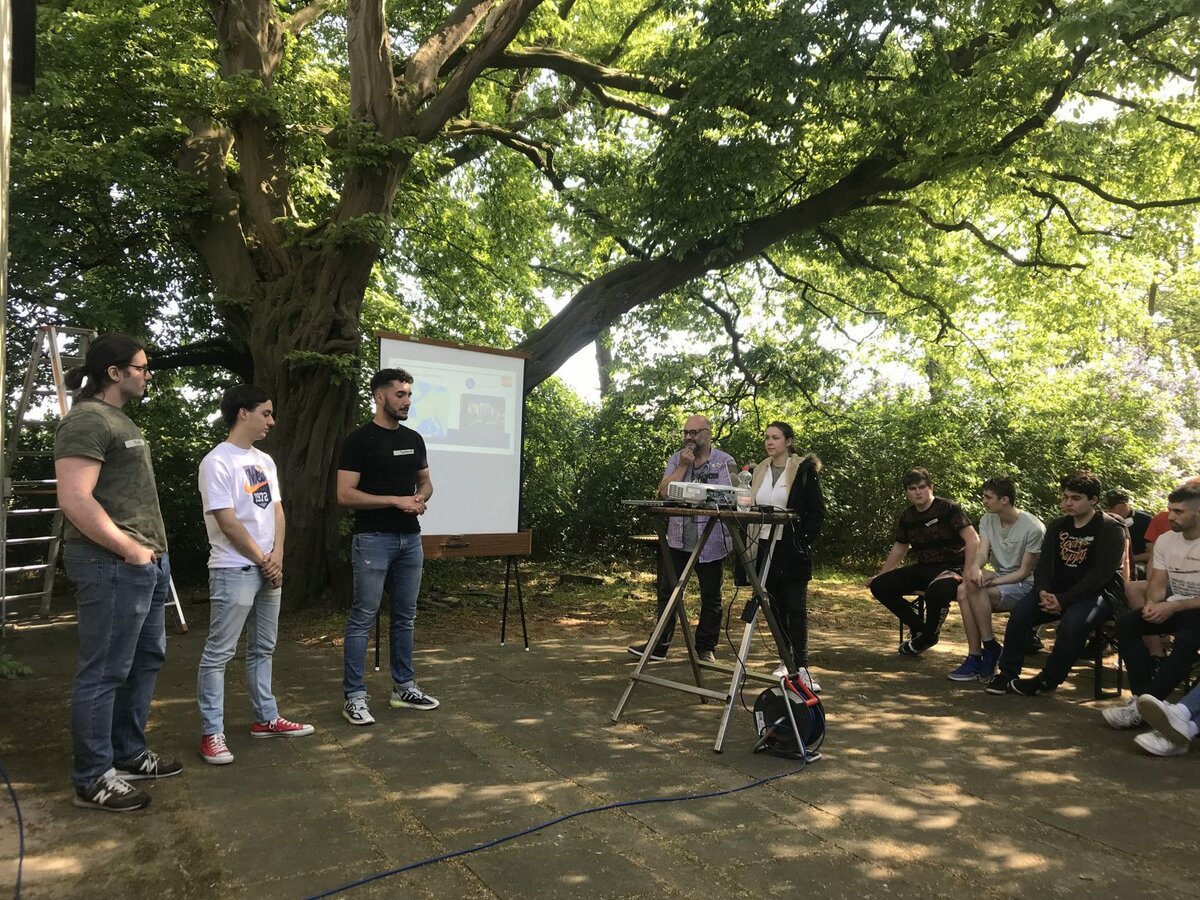
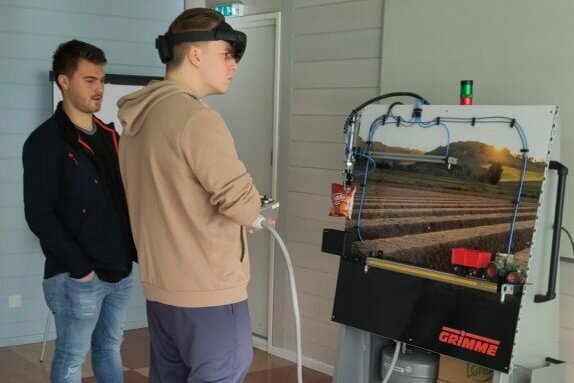
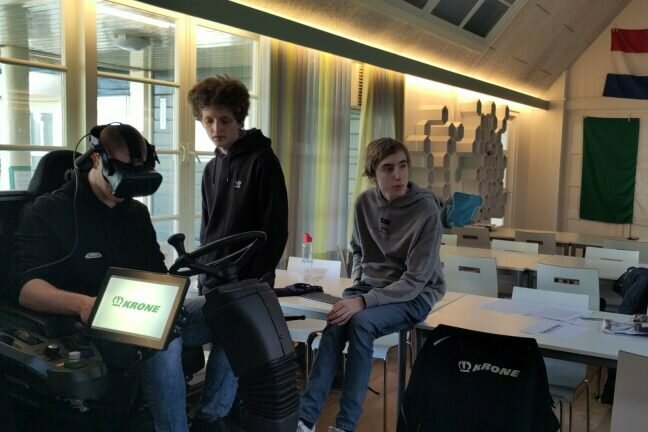
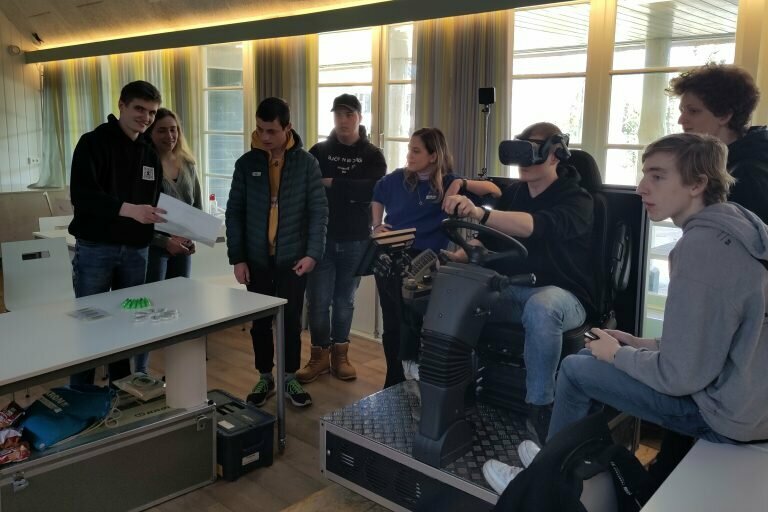
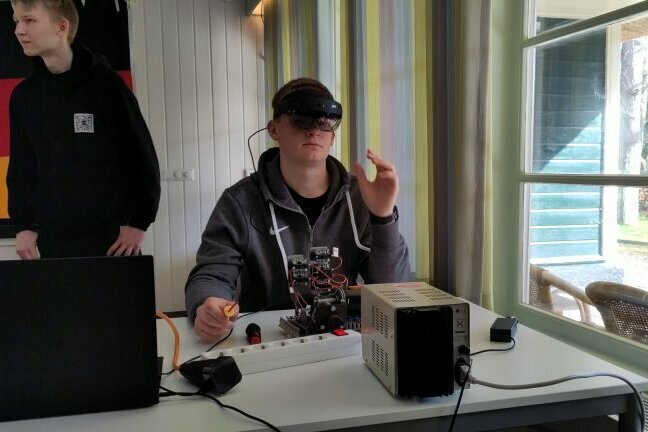
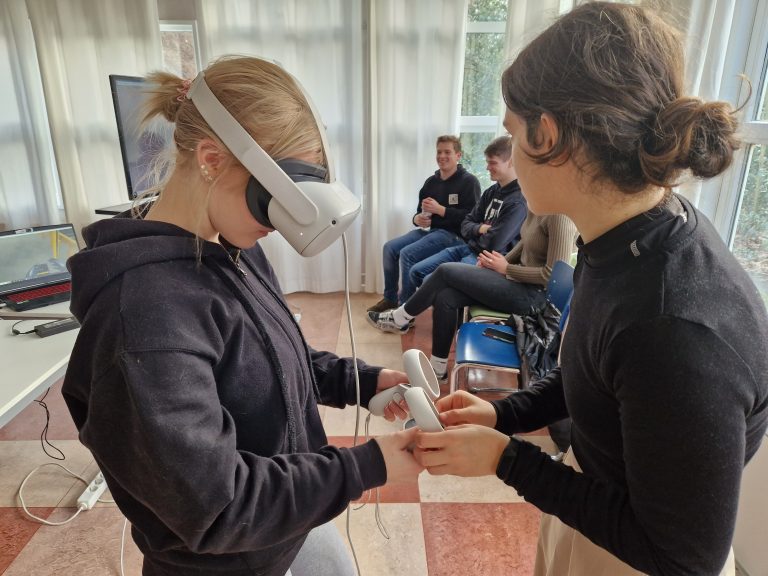
The LTTA1 workshops in Germany wereorganized by students for students, by teachers as well as by external stakeholders (DFKI, training partners) and are conducted in international groups and evaluated collaboratively. In addition, our participating training companies Amazone, Grimme, Krone, Westnetz, Coppenrath & Wiese and Meurer, will each release two of their trainees from the fields of mechatronics, electronics technician for industrial engineering and electronics technician for automation technology for this project and support LTTA1 beyond these workshops.
TPM2 - Tampere, Finland
19/09/2022-23/09/2022TPM2
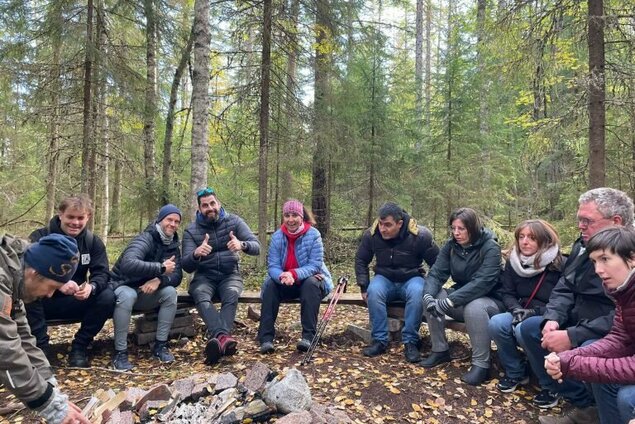
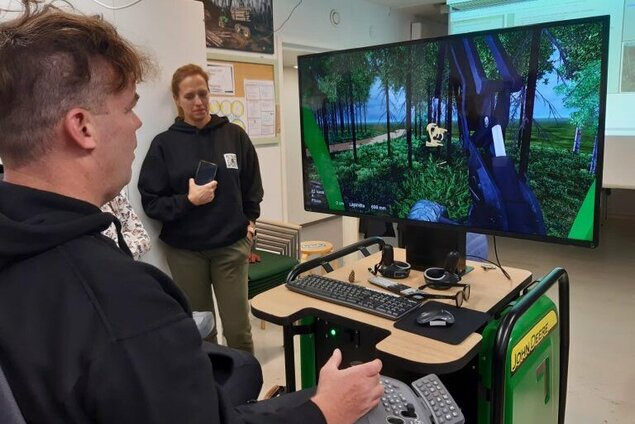
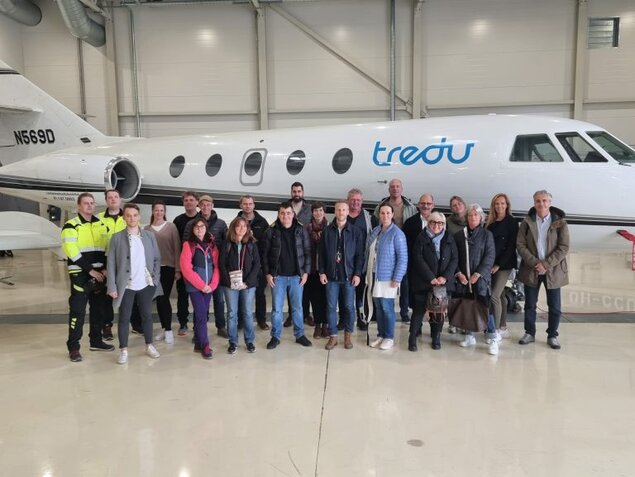
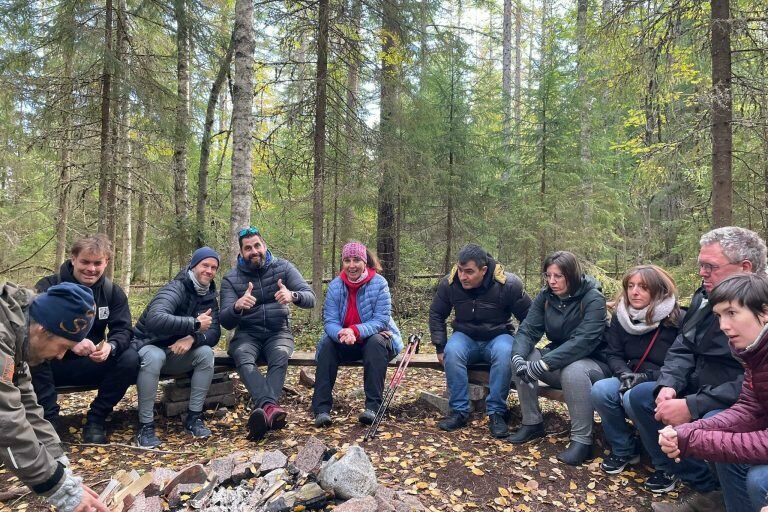
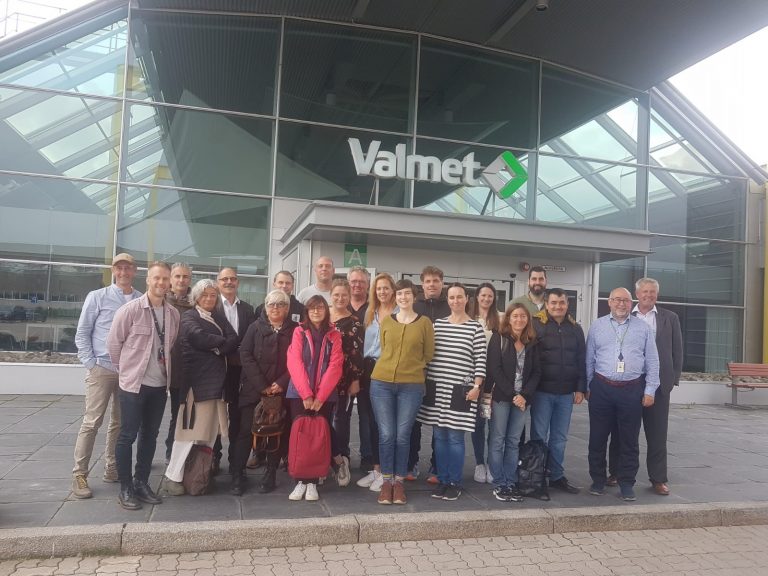
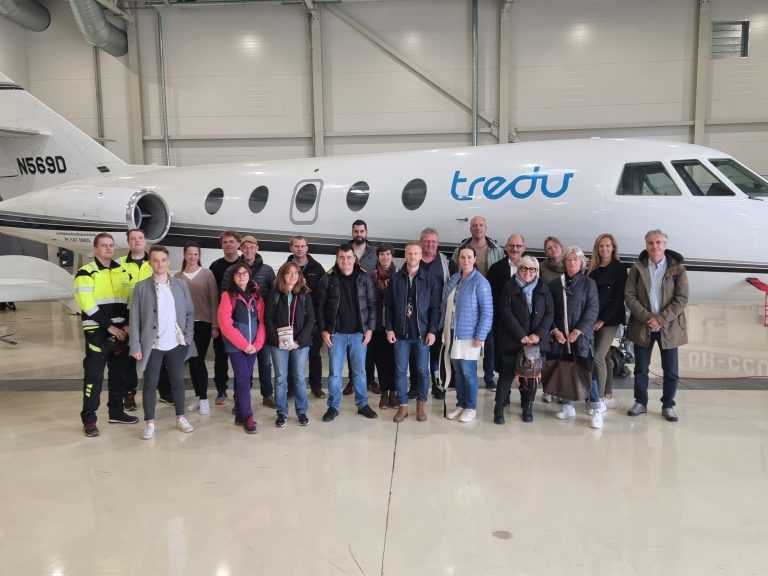
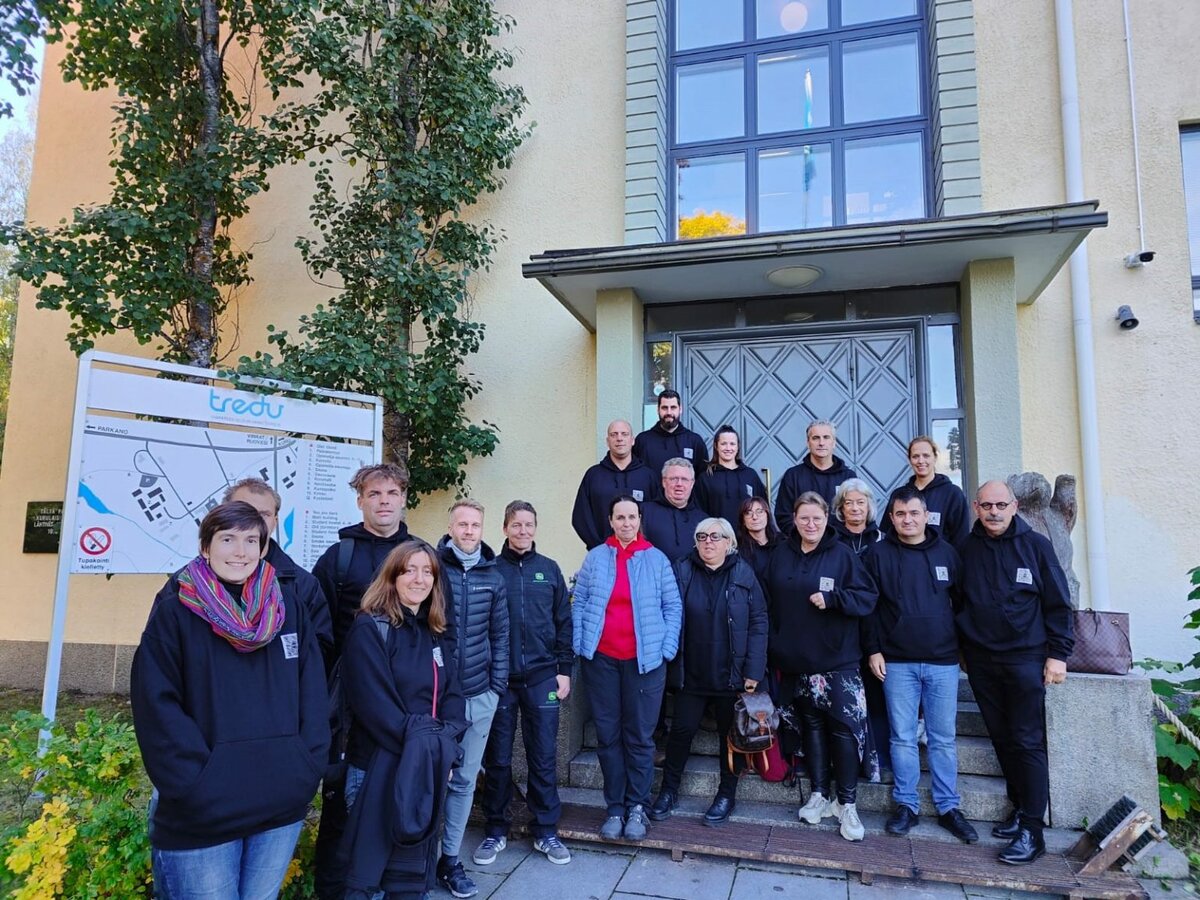
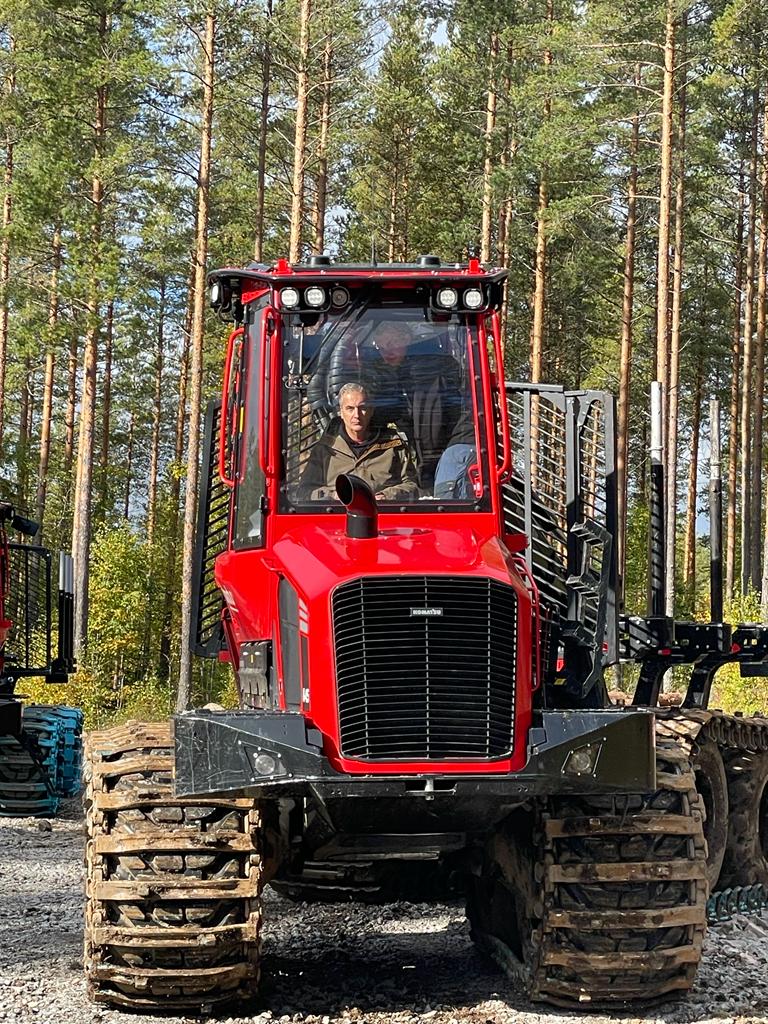
In September, teachers met in Tampere, Finland, to plan the next stages of the project. Here teachers reflected the strengths and weaknesses of the LTTA1 (Germany) and started to plan the LTTA2 (the Netherlands). We focused on the project timeline and the project targets: how do we co-create teaching materials that can be made available for all schools post-project? We also collected the project documents and agreed on the future targets. In Tampere, teachers had a chance to visit Valmet UX playroom, Patria Pilot Airbus and Diamonds simulators, Tredu learning environments (aircraft maintenance, forest machine hall, process technology, machinery and production). And Finland without sauna experience is not possible – thus, we enjoyed the traditional sauna and some heroes went swimming in the lake!
LTTA2 - Sneek, Holland
12/03/2023-17/03/2023
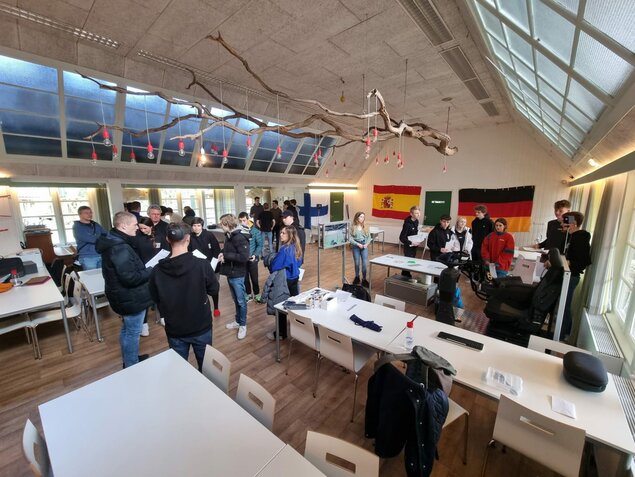
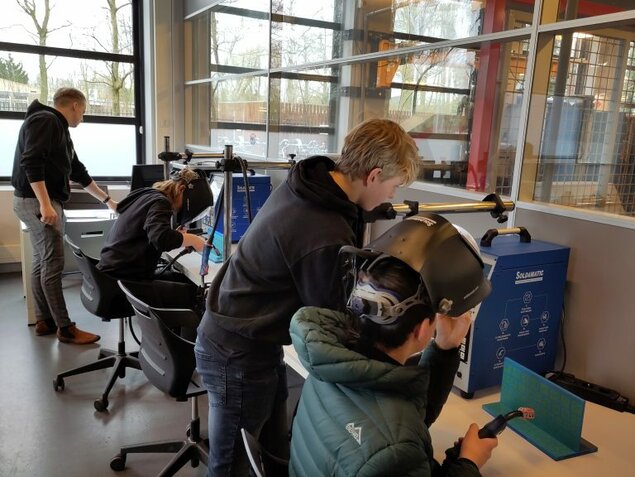
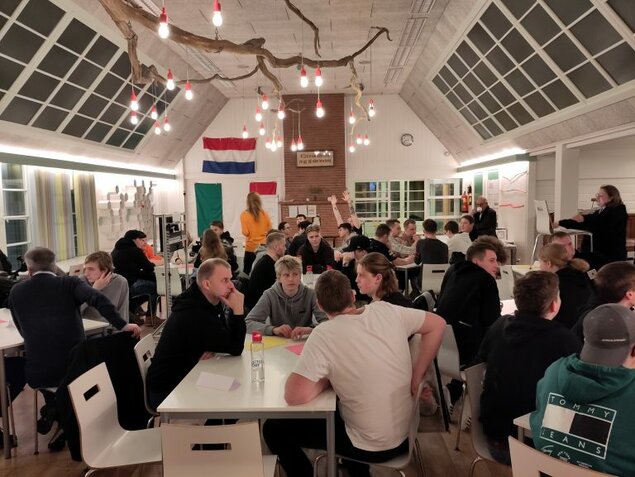
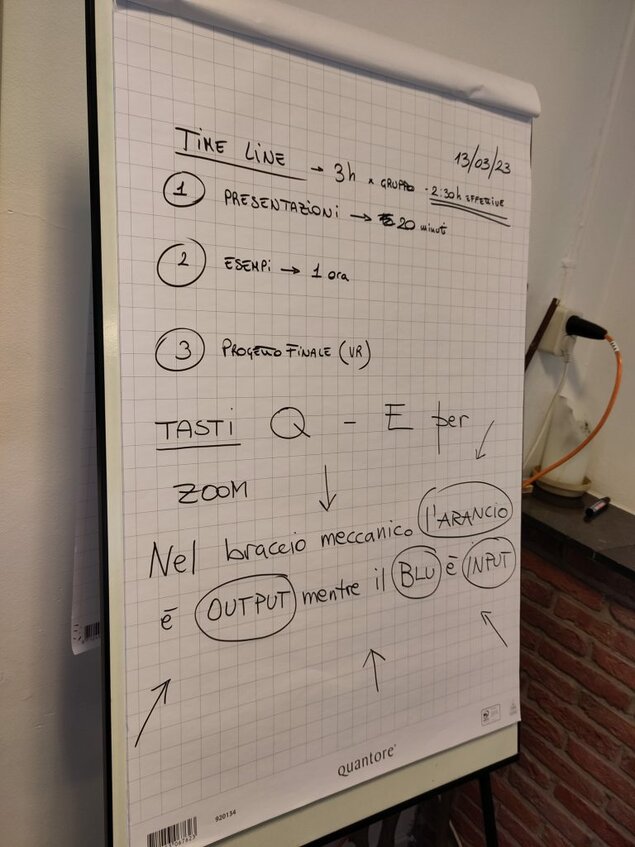
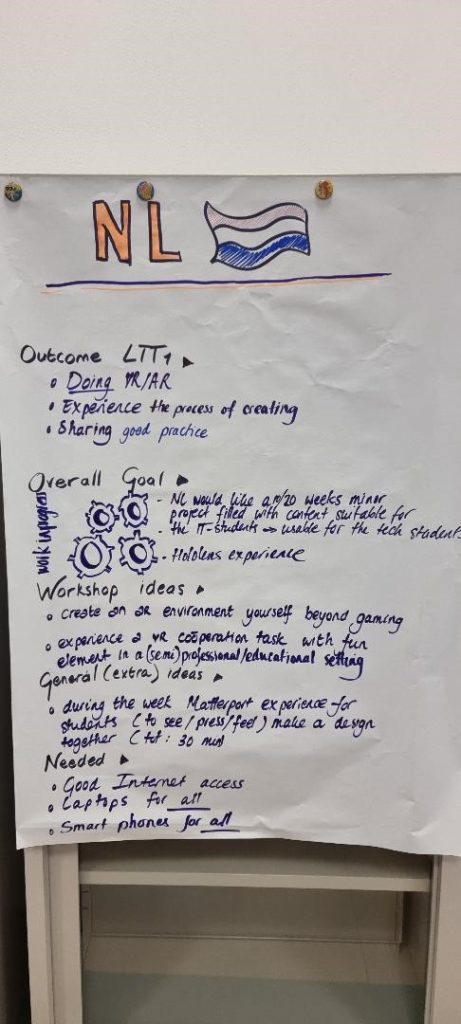
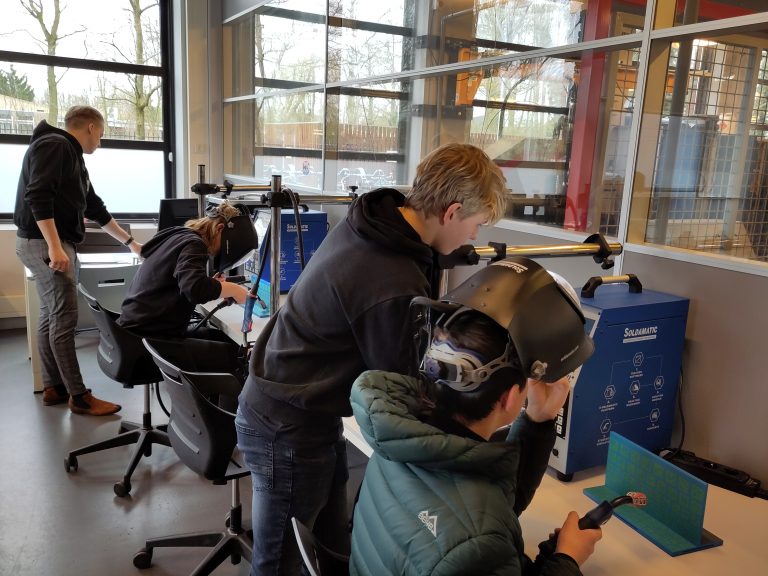
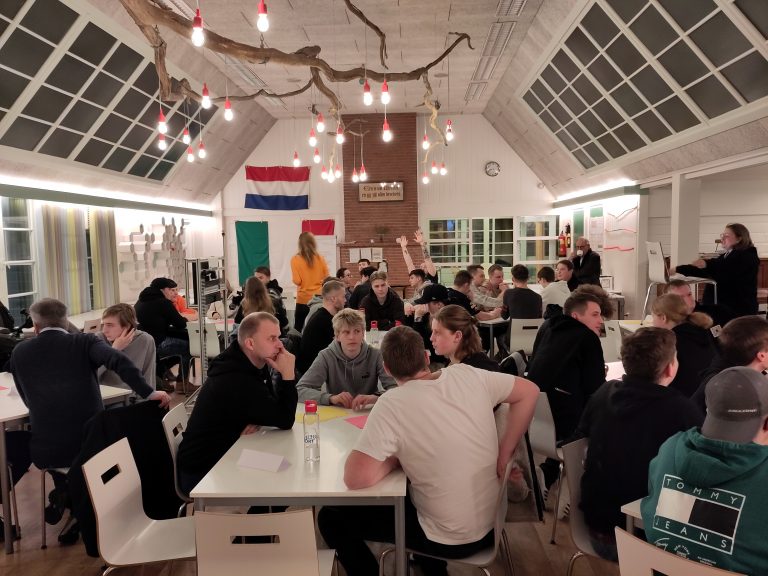
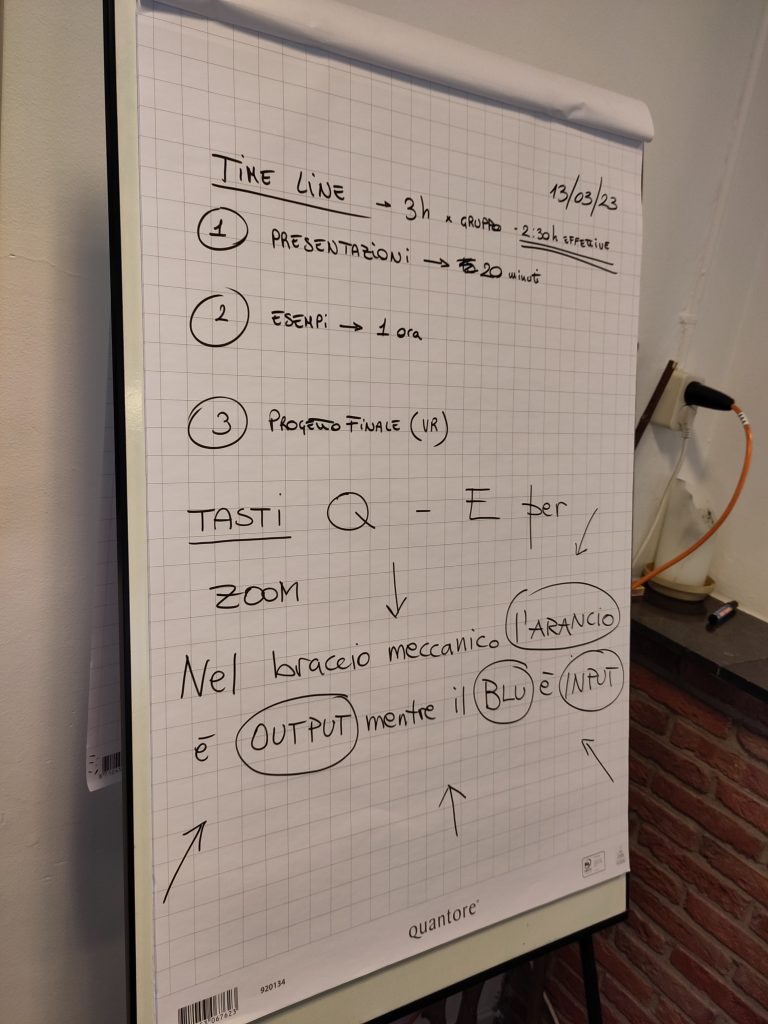
The LTTA2 workshops in the Netherlands were organized by students for students, where in LTTA1 the focus was on discovering the materials, students now showed a deeper knowledge and more advanced skills towards the possibilities that augmented and virtual reality has. And although everyone uses it differently the basic principle is the same and therefore usable for all. In addition, seeing how this technology can be applied in work situations as well as communication activities and social activities made this a very powerful week. Students meeting students and being aware of the process that they are going through in their technical, cultural and social development is one of the greater benefits of the meeting we had in March in Schoorl – the Netherlands.
TPM3 - Vigo, Spain
07/05/2023-12/05/2023
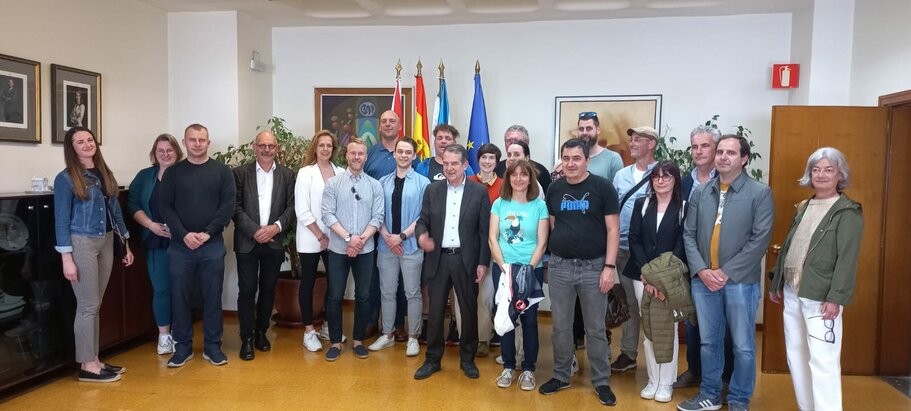
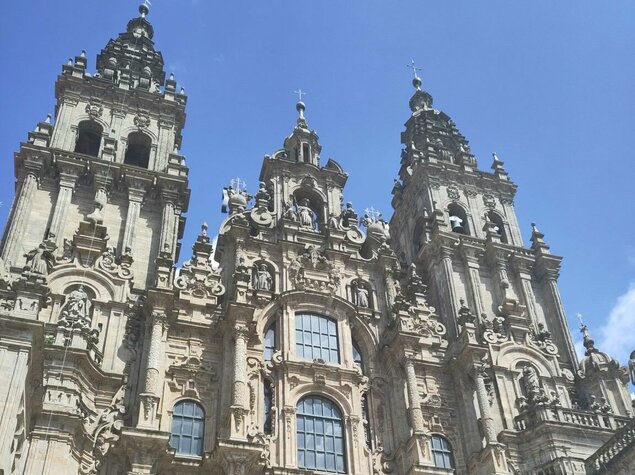
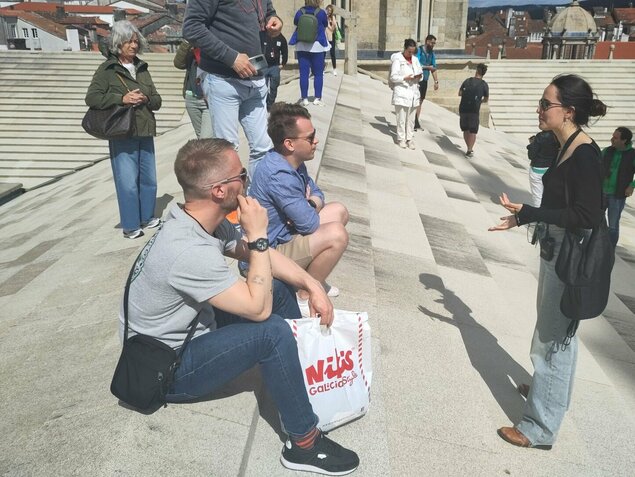
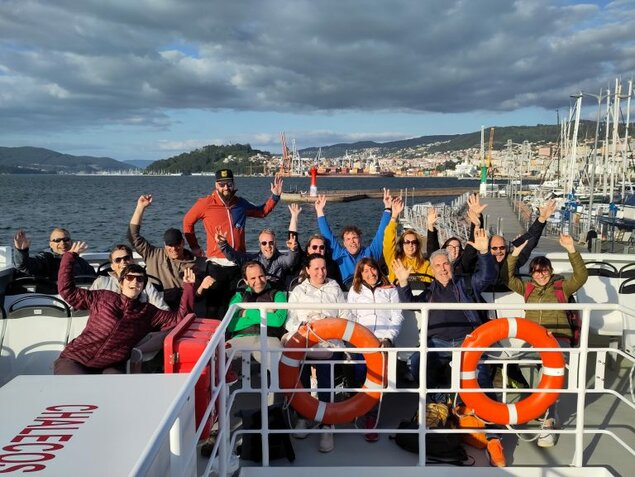
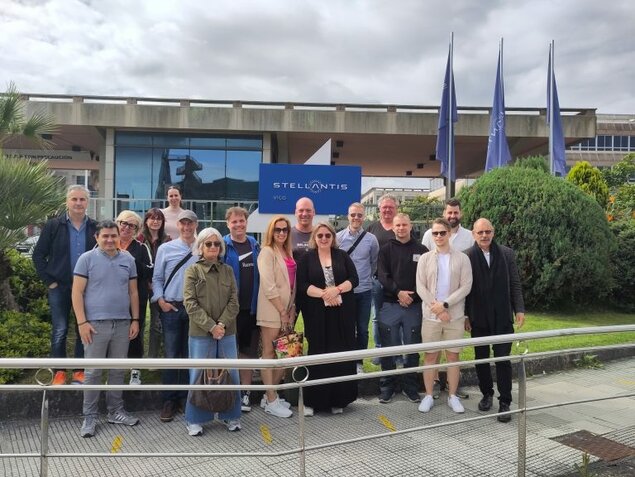
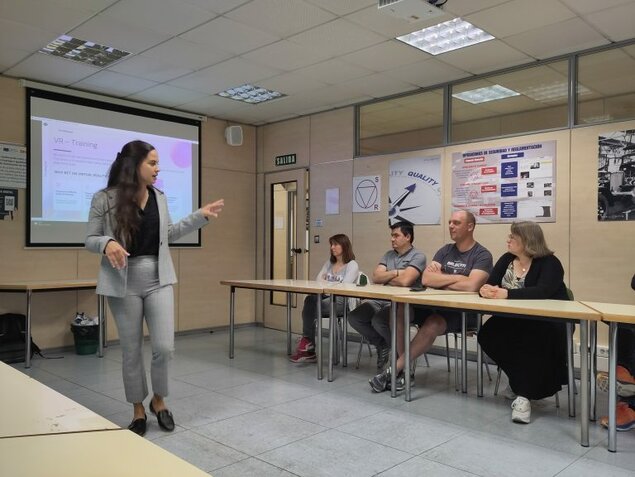
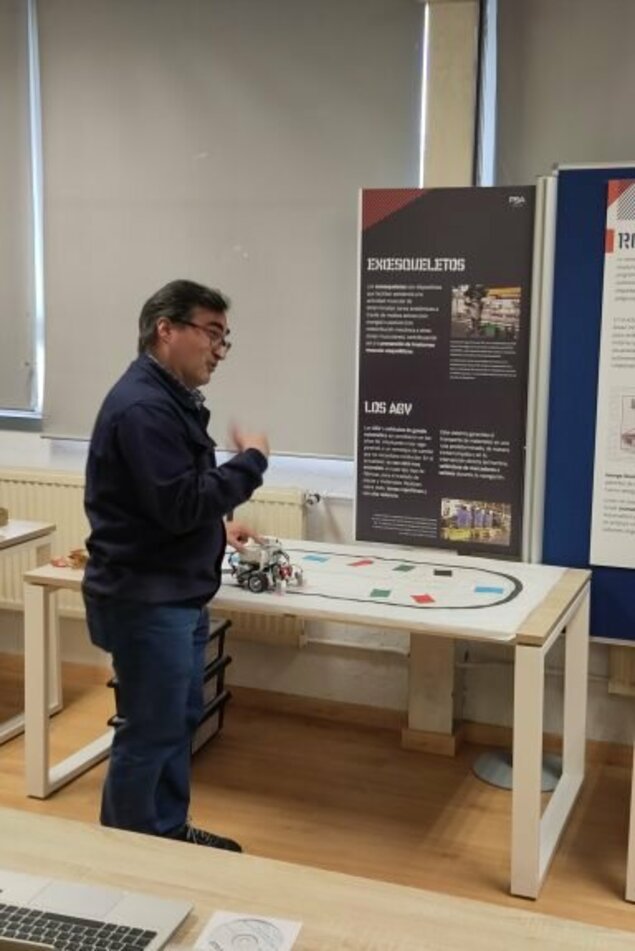
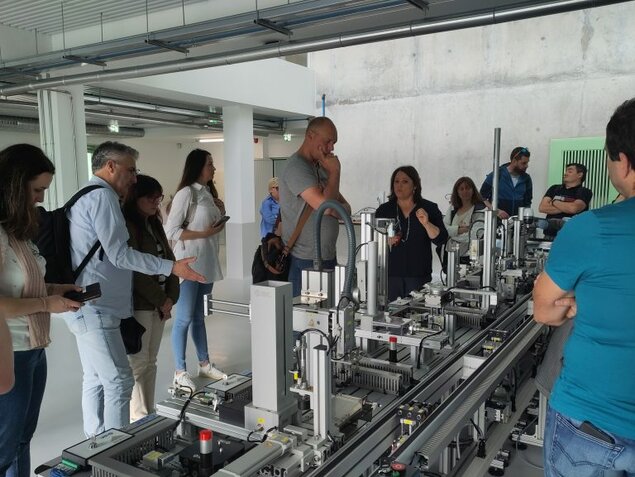
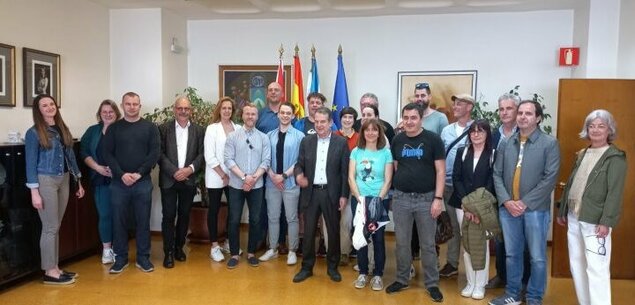
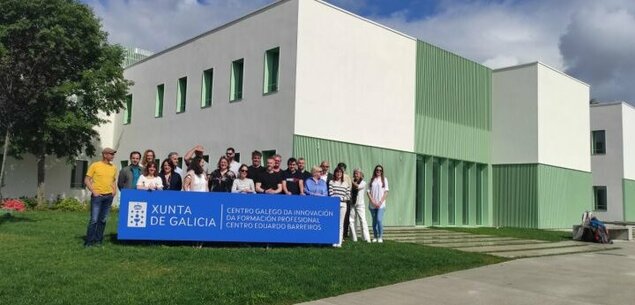
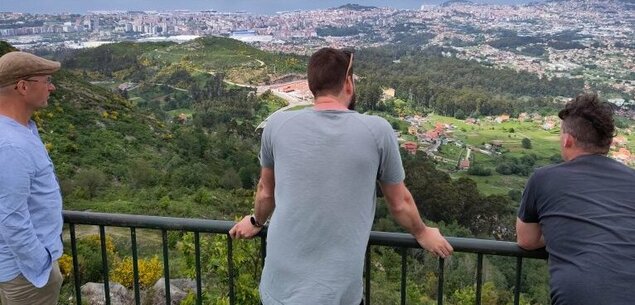
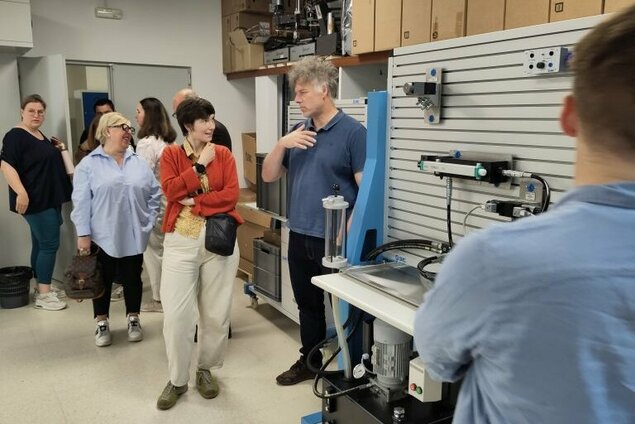
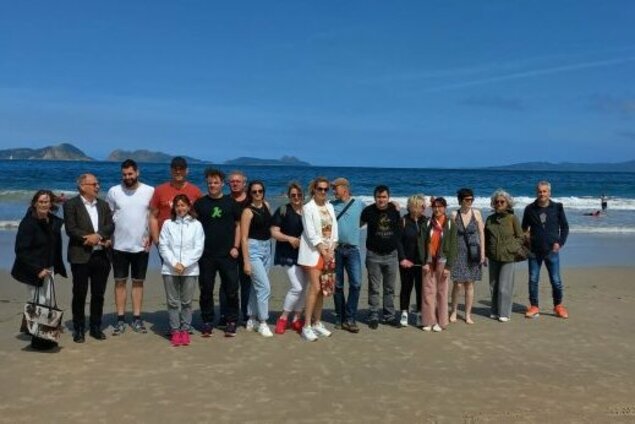
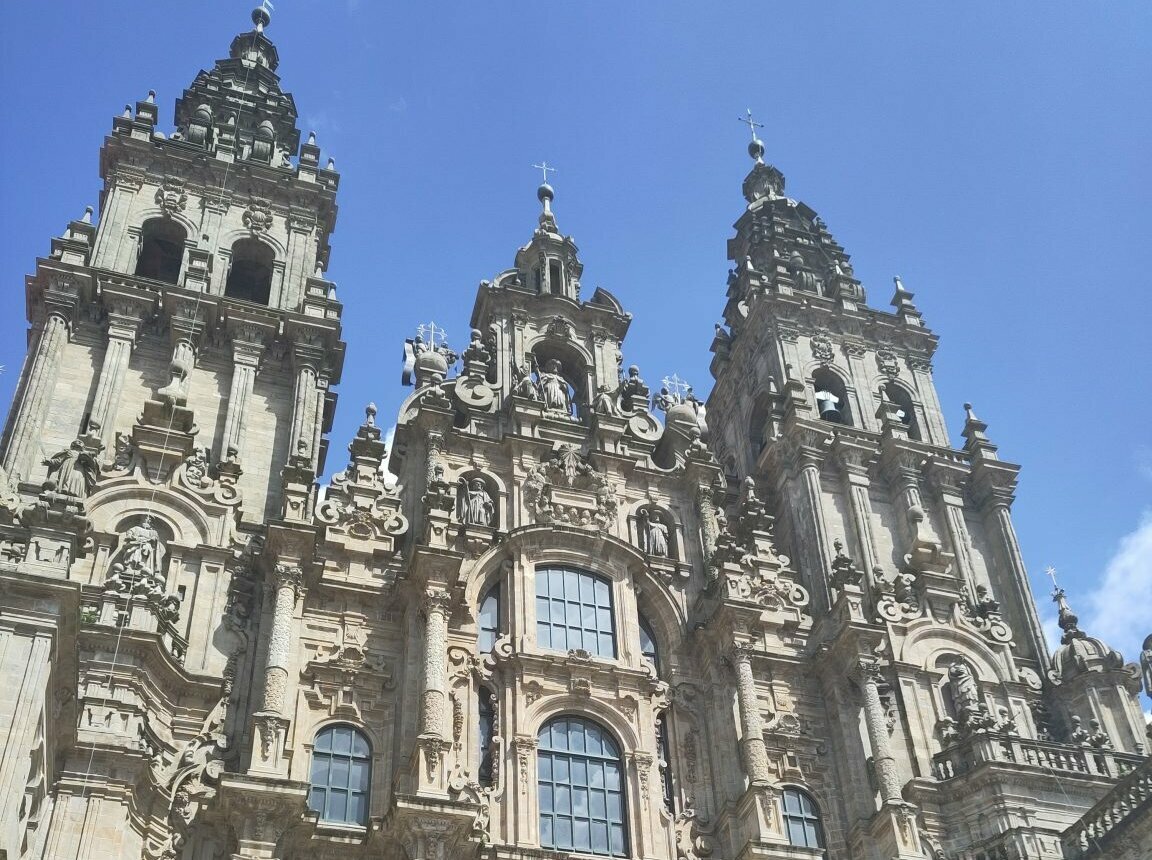
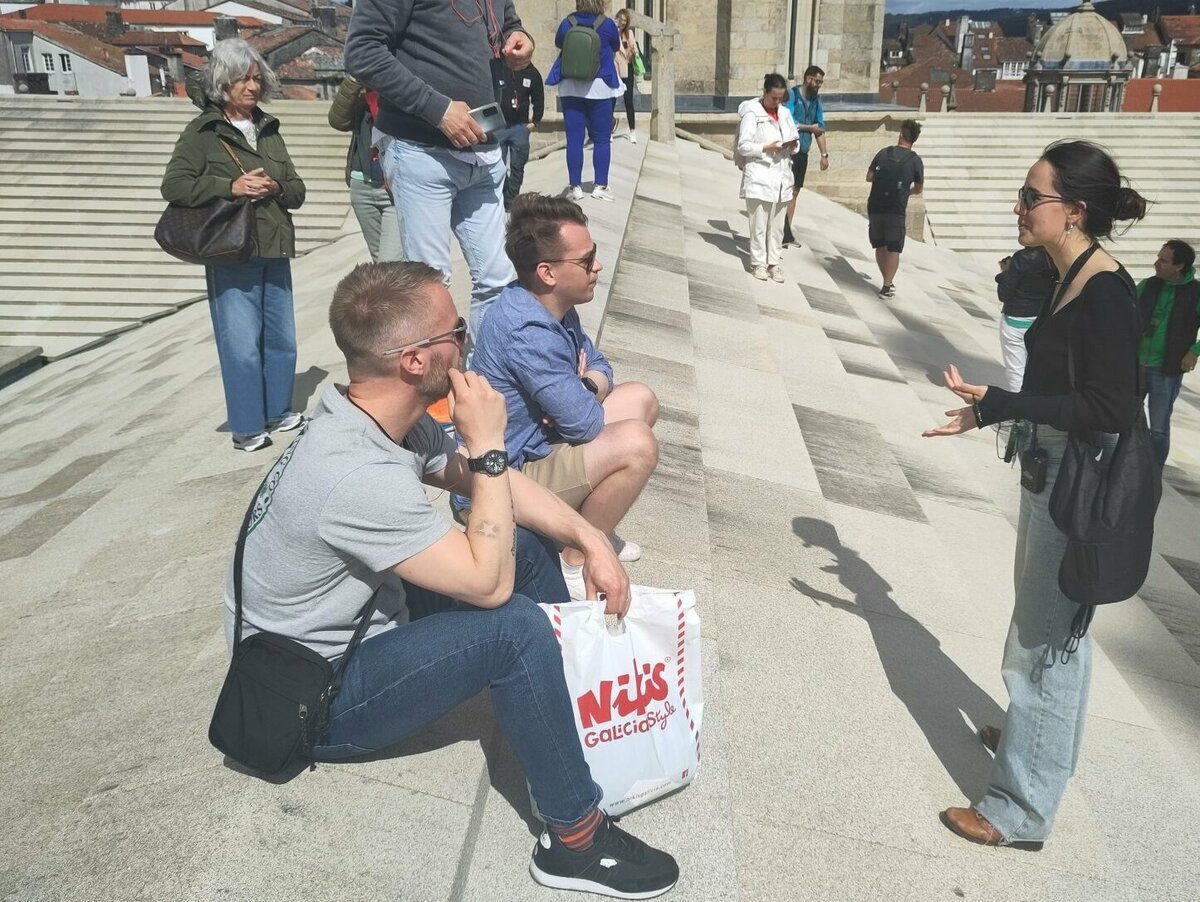
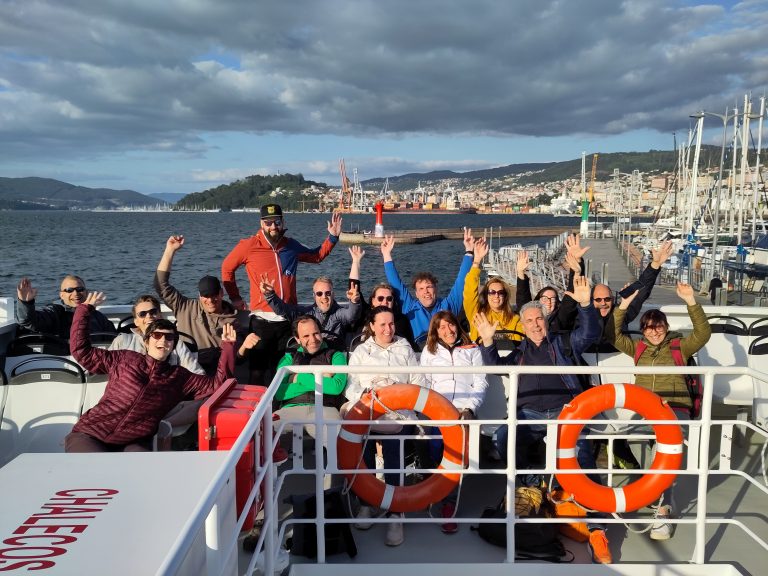
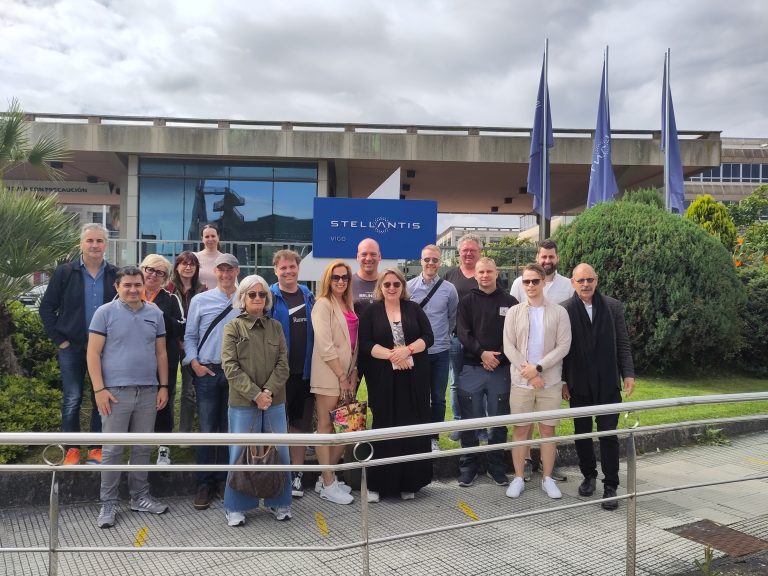
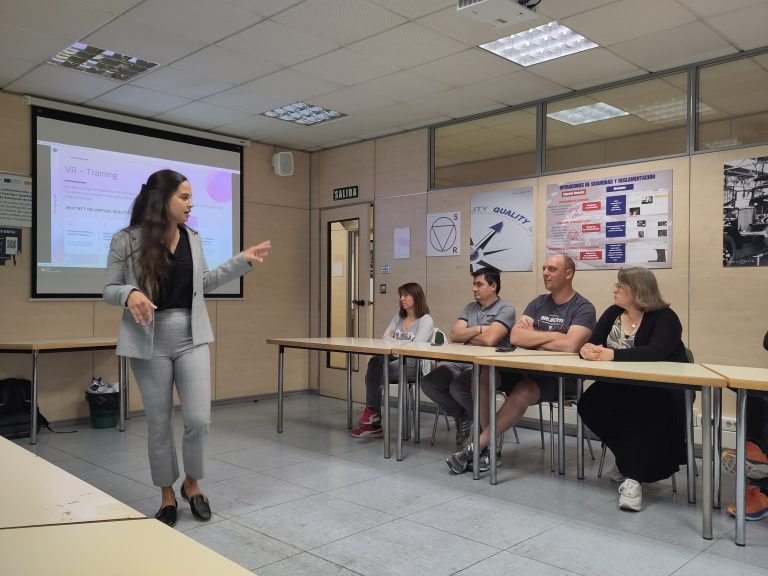
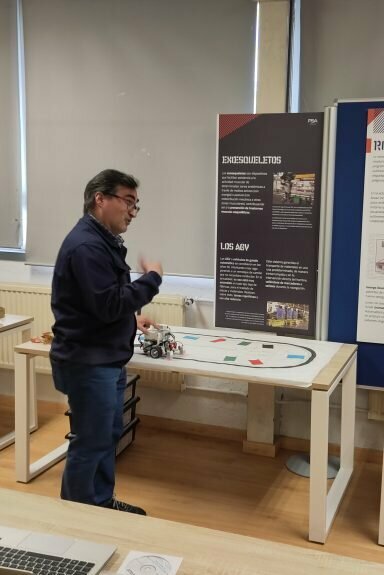
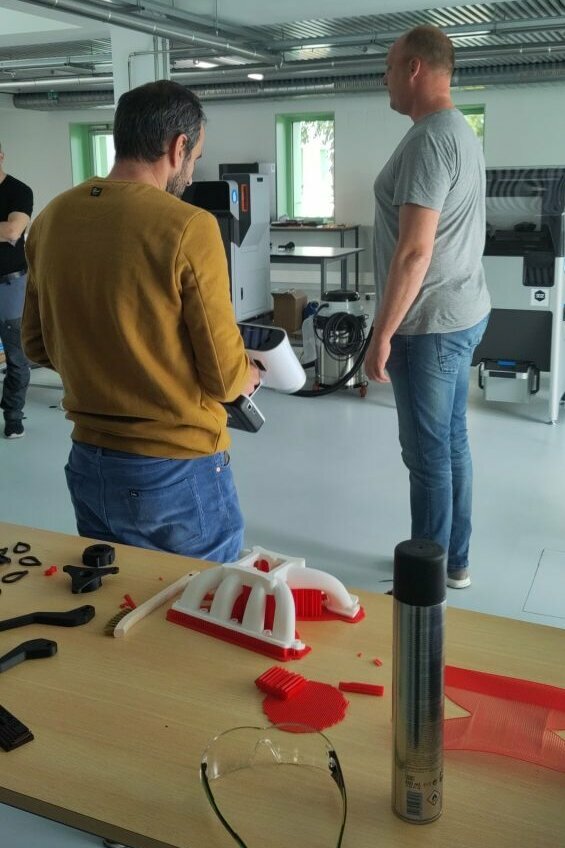
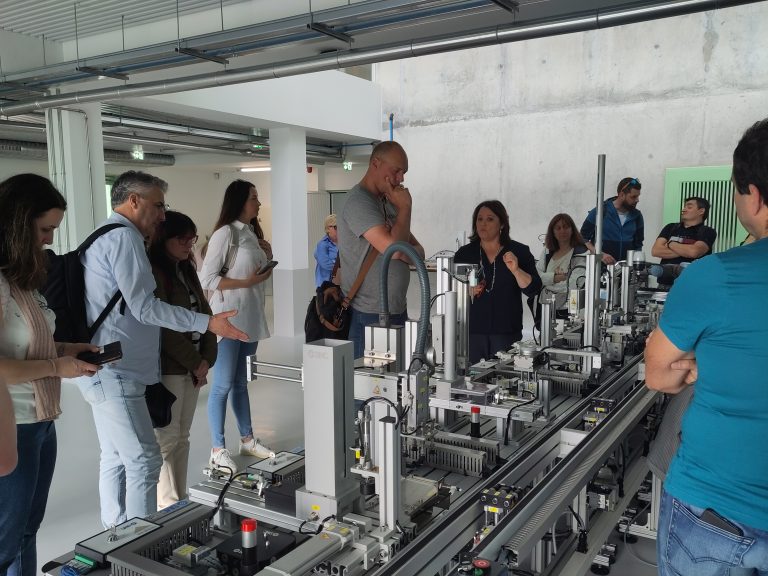
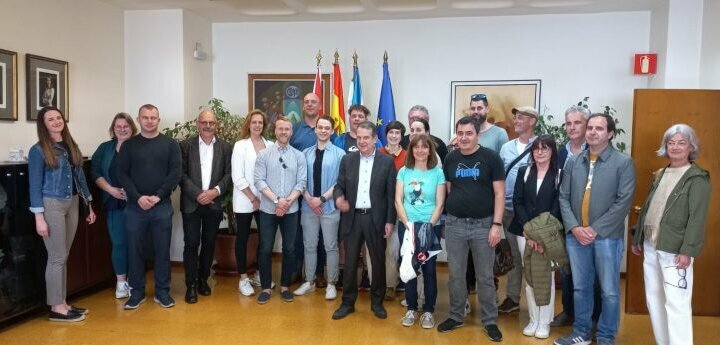
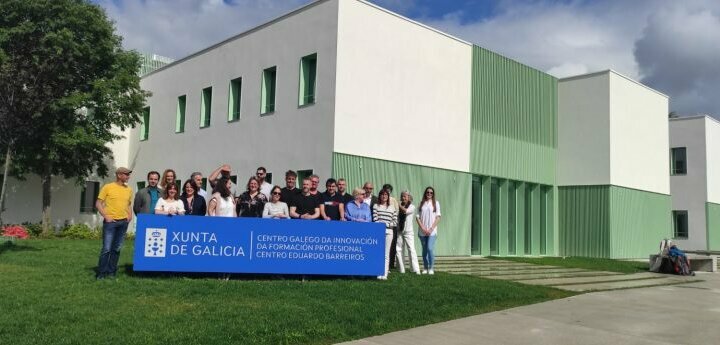
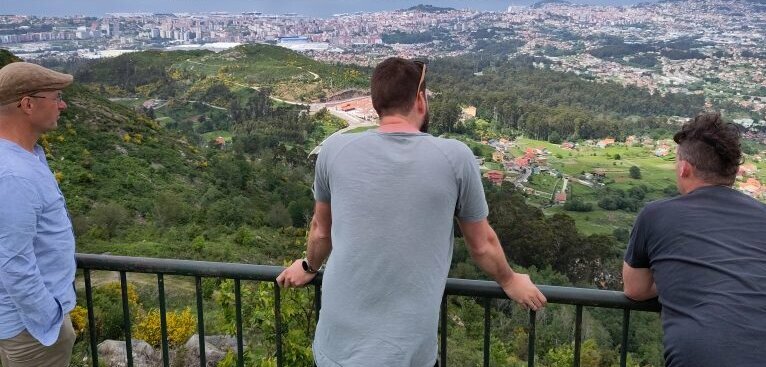
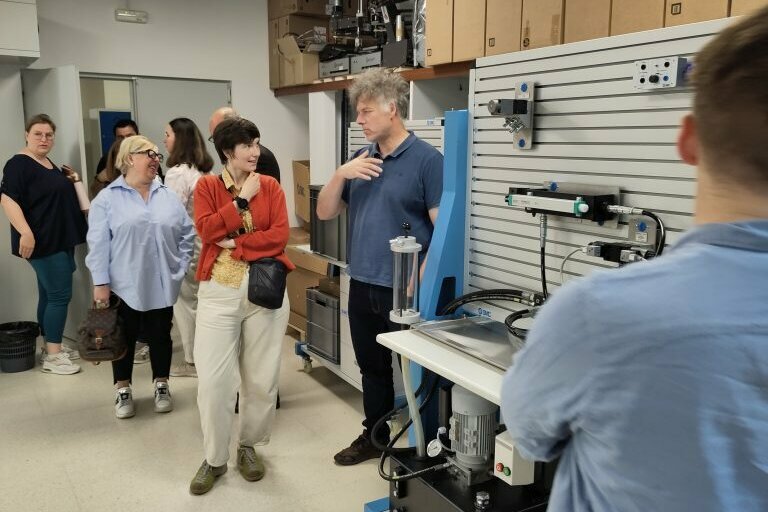
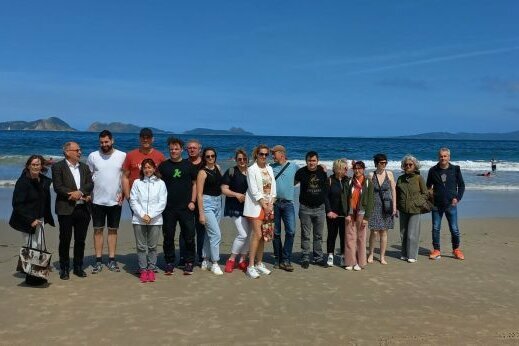
In Vigo, Spain, teachers met to share teaching materials created during the project for future use. Furthermore, results were evaluated and time was spent reflecting on the overall sucess of the project. We enjoyed collaborating with partners in Vigo, Stellantis and Akwel and visiting their factories. Of course, in between project meetings we found time to explore and took a trip to Santiago de Compostela and the Cies Islands. Arveti 4.0 is an example of what can be achieved when international technology educators and students come together to collaborate. We gained many insights into AR and VR applications in the business sector and were able to apply these to vocational settings. It is clear to all participants that these technologies will play an important role in all future industries. We agree that the key to advancement in AR and VR is understanding and communication!
The BBS (Berufsbildende Schule, or Vocational College) Brinkstrasse in Osnabrück educates around 4600 students from the surrounding region who attend the Vocational College or the Vocational Secondary School. The college is a certified ‘European School’ (Europaschule) which is proud to have 12 partner schools in over 13 different locations in and outside of Europe. In preparation for an apprenticeship, students can attend the Vocational Training College, which offers courses at level 2 and 3. Any young person learning a craft or trade usually does so under the dual system of vocational education and training. This means that students gain hands-on experience by completing an apprenticeship at a company and attending the part-time vocational college. The employer provides the apprentice with practical training. Internships offered include: mechanical engineering, electrical engineering, information technology, mechatronics, automotive technology, supply engineering or natural science. Some students attend the Technical College in order to prepare themselves for University by gaining their A Levels (equivalent to level 4). The BBS Brinkstrasse is a diverse and vibrant school that is proud to offer students the essential skills they need for their future careers!
IES Politécnico de Vigo
IES Politécnico de Vigo is located in the northwest of Spain, in a coastal city of 300,000 inhabitants. Vigo is a business city; it has an international port, good communications and services... Vigo is known for its companies’ high productivity, leaders in many sectors such as automotive or aeronautics, and its export capacity, higher than the Spanish average and representing 29% of Galicia’s total export volume. At IES Politécnico de Vigo different levels of education are taught (Compulsory Secondary Education, Post-compulsory Secondary Education, Intermediate Vocational Training and Higher Vocational Training). These studies are provided also for adult education. In total we have about 1500 students and 140 teachers. To provide with specialized workers to the business network, our vocational training is mainly industrial in sectors such as Electricity and Electronics, Mechanical Manufacturing, Industrial Maintenance and Mechatronics and Building and Civil Engineering. In the 2020-21 academic year, we were the first educational center in Spain to teach the Smart Manufacturing specialization course, a new certificate to train workers for industry 4.0. In this line our institution is involved in several innovation projects, as well as in Erasmus+ projects which add value to the organization, the teaching staff, the students and the professional and social environment.
Istituto Statale di Istruzione Superiore "Città di Luino - Carlo Volontè"
Our School is a State Institute of Higher education and offers five years courses to get a Certificate both for entering directly the Workplace or accessing University. Our Institute is located in the border area of Switzerland. It hosts 800 students, 110 teachers. Close relationships with Local Bodies, Industries and Associations -Rettificatrici Ghiringhelli, SPM, ABB, Siemens, Politecnico di Milano, Camera di Commercio di Varese- have been cultivated for a long time for working experiences. COURSES Technical: Electronics and Automation. Information technology Economical: Business and marketing; Tourism Our three years Educational Syllabus, 2019-2022 includes, in addition to curricular activities: - encouraging educational success and strengthening of School Inclusion - developing of responsible behavior in respect of law, of environmental sustainability and natural heritage - developing active and democratic citizenship skills through processes of dialogue and peace between people and cultures - enhancing and strengthening language skills, above all languages of EU - Developing students’ e-skills - strengthening of lab activities - promoting excellence - highlighting cooperation projects with productive local area bodies - building up work placement in Italy and abroad - Cooperating with European Schools in vocational projects.
Tampere Vocational College Tredu
Tampere Vocational College Tredu is the second largest vocational college in Finland. We offer a wide range of vocational education options and qualifications and also development services and training for the working life. We have altogether 14 different study locations in Tampere region and yearly approximately 17 000 young and adult students. Whether you are someone who is working towards their first profession, a career changer or perhaps a future entrepreneur, we are here to give you a professional head start. Tredu takes you to thousands of jobs!
ROC Friese Poort
As ROC Friese Poort we are proud to be internationally involved in Erasmus Projects like Arveti 4.0. ROC Friese Poort provides education for about 3300 students from ages 16 and up in the province of Friesland, which is in the northern part of the Netherlands. As a regional vocational institution ROC Friese Poort supplies a wide range of courses that vary in level and length. Our students go to school and have periods of internships in their field of expertise as well. This way we want to make sure that our students have the chance to become real professionals when they finish their course. As ROC Friese Poort our goals is providing a tempting and meaningful educational environment. We are an institution that creates the opportunity for life-long learning, as well we want to be frontrunners in educational- and technological developments. However, our main goal is to make sure our students will be world citizens with an open mind using 21st century skills to broaden their own world and the world of others, regardless of the field of expertise chosen.
Our Partners
Our Italian partner Rettificatrici Ghiringhelli S.p.A. is a leading company in the production of NC centerless grinding machines. They are accurate, reliable and high tech machines which find their application in different industrial sectors such as automotive, bearing industry, electric motors, tools, hydraulics, etc.
Our Italian partner SPM said: "We believe in the new generations, in YOUNG ENERGIES and in unstoppable curiosity. This is the reason why we support projects and initiatives promoted by the SCHOOLS of our territory and we join cultural exchange projects with German institutes"
.
German partner Krone support us by working on the Arveti 4.0 project in cooperation with their apprentices. They very kindly hosted us for the LTTA1 in Osnabrück, where students carried out their workshops.
German company Coppenrath & Wiese participated in Arveti 4.0 by enabling their electricians for automation technology to participate in the project.
German company Amazone supported Arveti 4.0 by hosting a visit during the LTTA1 and enabling their mechatronics apprentices to participate in the project.
Thanks to German company Meurer who encouraged their apprentice electricians for automation technology to participate in the project.
German company Kieback & Peter enabled an apprentice to participate in the LTTA2.
The German Research Centre for Artificial Intelligence supported the BBS Brinkstrasse by offering us training on how to use the Microsoft Hololens for the LTTA1 workshops.
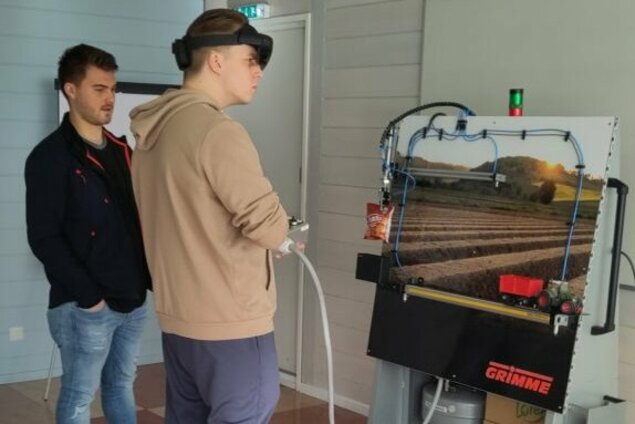
The German company Grimme supported the project by collaborating with their mechatronics apprentices to create workshop teaching materials.
German company AGRO International supported their apprentice by allowing him to in participating in the LTTA2.
Equipment
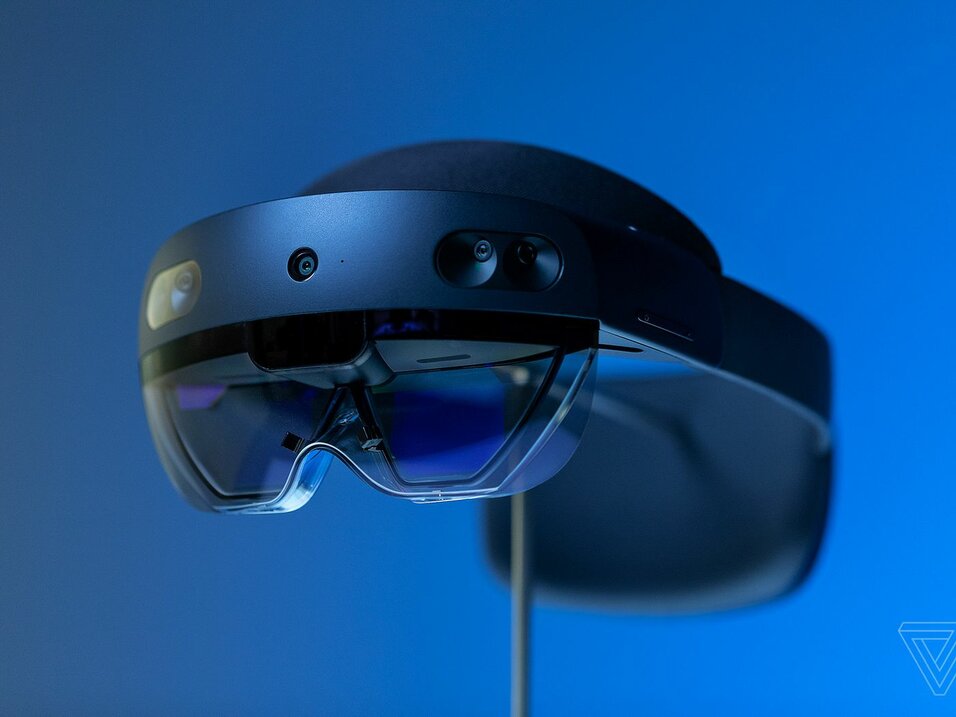
Microsoft Holo Lens
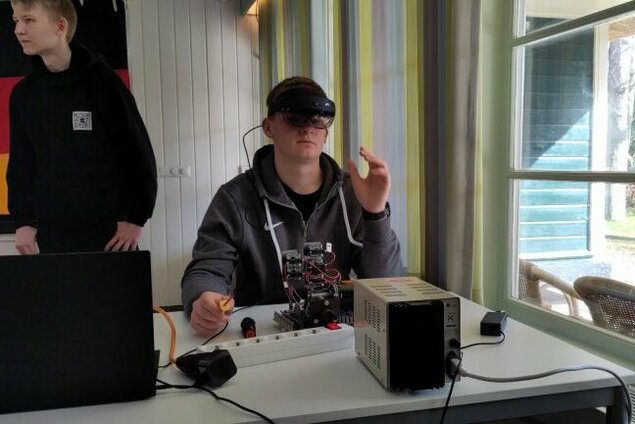
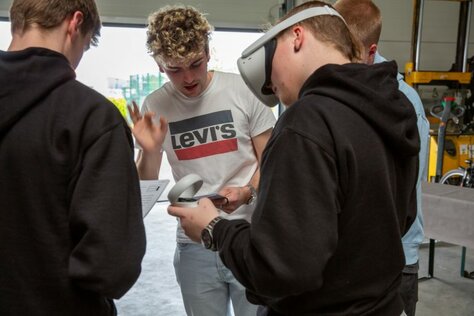
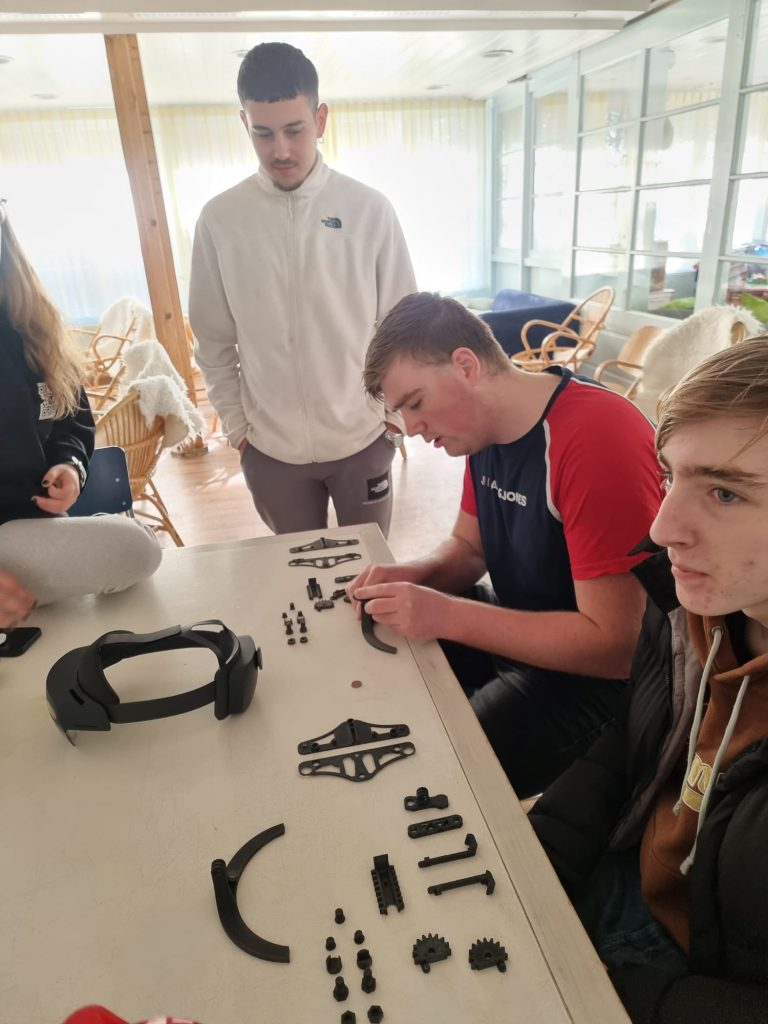
The German Group used Erasmus+ funds to invest in the Microsoft Hololens to use AR for their workshops in Germany
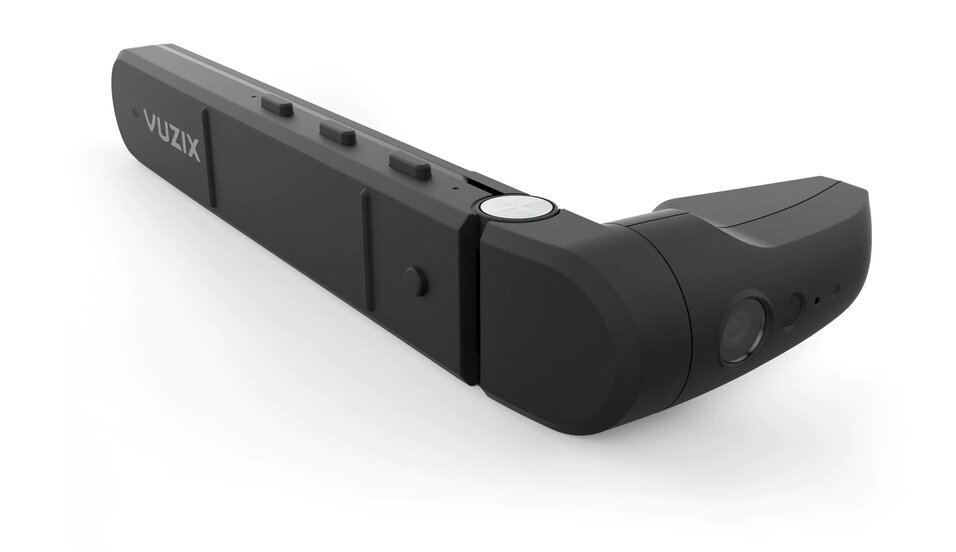
M300XL
The Finish Group used the M300XL. Details: The Optic: 640x360p nHD screen, 16: 9 aspect ratio, brightness > 2000 nits, supports left or right eye, 2-core Intel Atom processor, 2GB RAM, Android 6 operating system, 64 GB internal flash memory Controlling: Four Android control buttons, voice control - customizable and available in multiple languages, two-axis touchpad Integrated head tracking : Three degrees of freedom head tracking, 3-axis gyro, 3-axis accelerometer and 3-axis integrated compass Audio: Dual noise-canceling microphone and speaker.
Gallery and Project Press
Gallery and Project Press
TPM3 Vigo, Spain 07/05/2023-12/05/2023
TPM3 Vigo, Spain 07/05/2023-12/05/2023
Show larger version
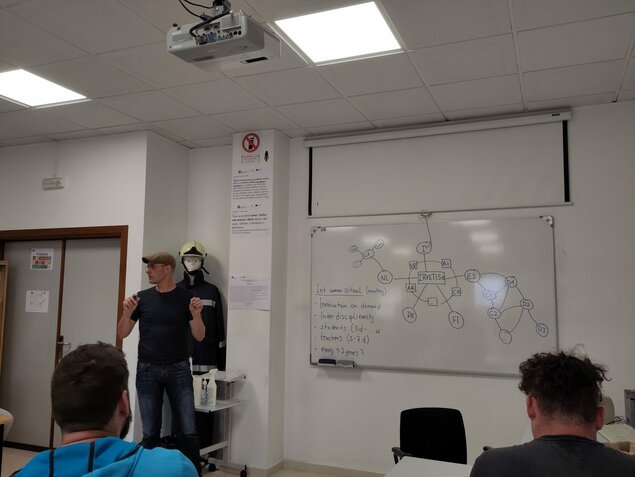
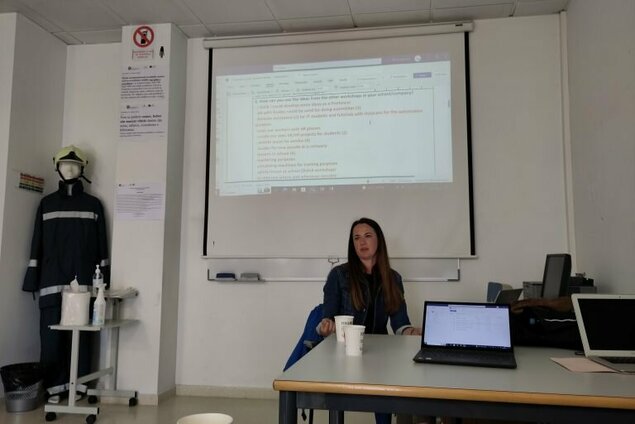
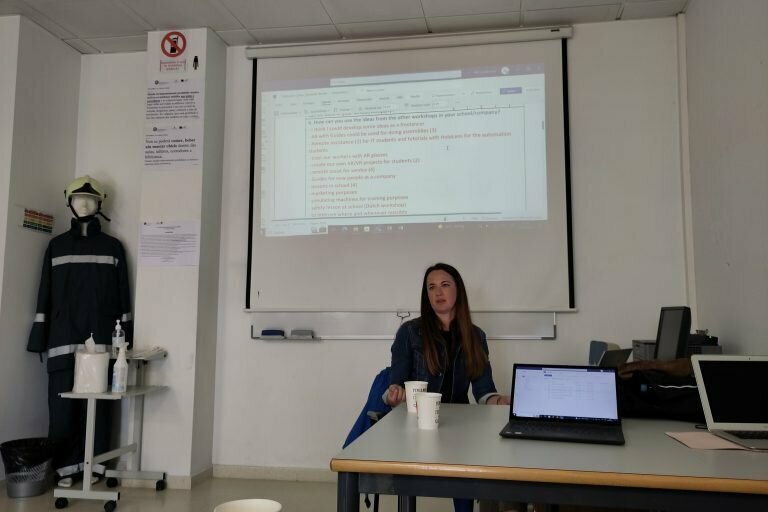
TPM3: Discussing how to keep the Arveti 4.0 project alive in the future
Show larger version
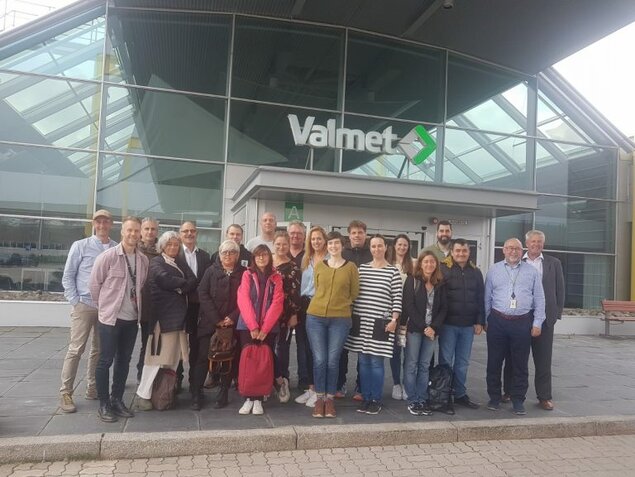
TPM2: Visit to Valmet, where we exchanged ideas about applications of AR/VR in the automation industry and the education sector and the potential for more collaboration
Show larger version
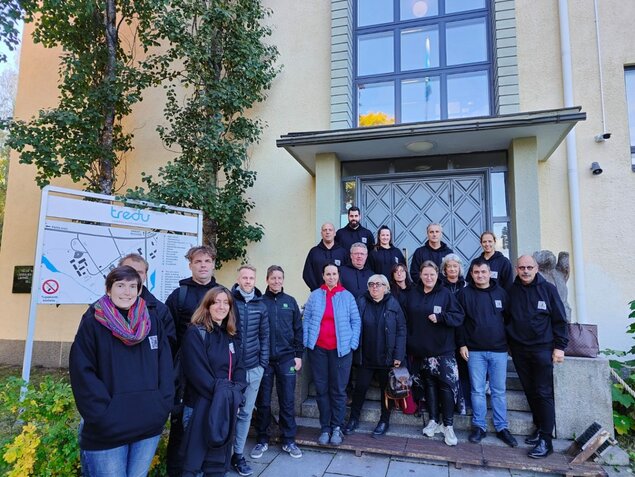
TPM2: The teachers group after a visit to the Tredu campus in Kuru (photo taken from a drone!)
Show larger version
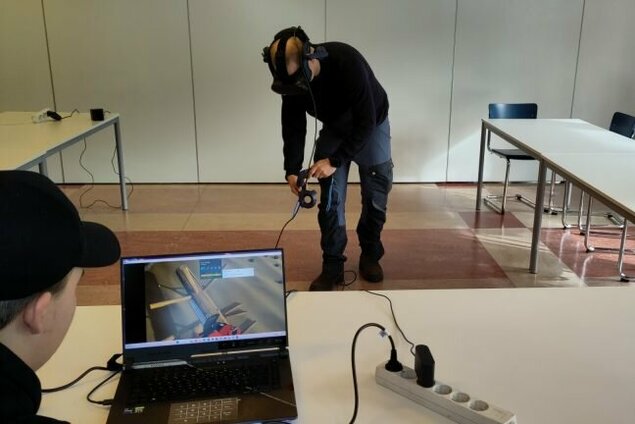
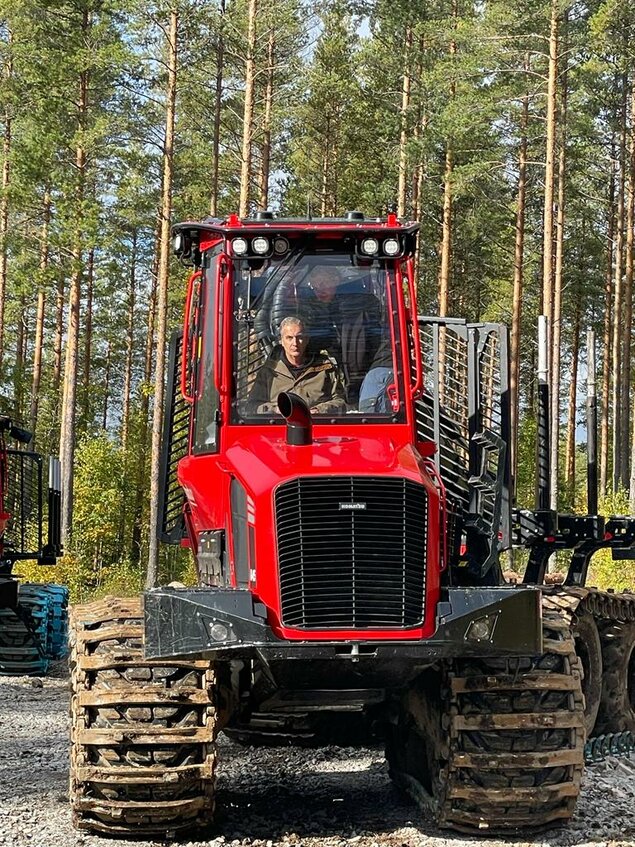
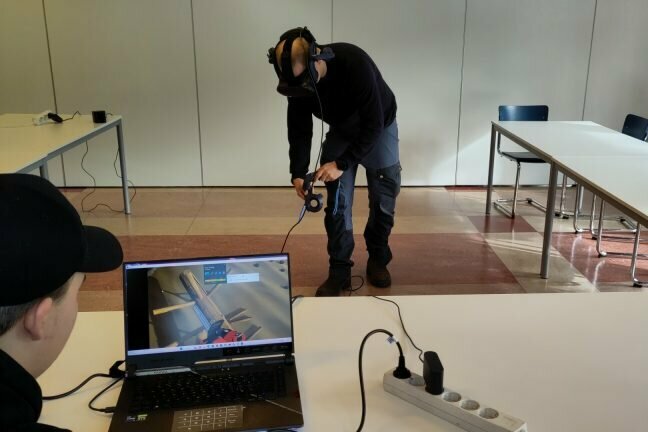
TPM2: Stefano tries his luck at tree felling: students in Tredu are trained on VR and AR technologies before they are allowed to use the machinery in the forests